Five Key Takeaways
- A loosely folded paper bag is a reliable way to encourage bananas to ripen naturally.
- Adding a ripe apple or banana may increase the amount of ethylene around the fruit, although results vary.
- Keep the bag at normal room temperature and check the bananas every 12 to 24 hours.
- An oven can soften yellow or nearly ripe bananas for baking, but it cannot fully ripen green bananas.
- Refrigerate bananas only after they have reached your preferred ripeness.
Green bananas cannot always be made sweet in a matter of minutes. Natural ripening takes time because the fruit must soften, develop aroma, and convert starches into sugars.
The best method depends on how you plan to use the bananas. A paper bag is the best all-around option for bananas that will be eaten raw or used in baking. If you need soft bananas for a recipe on the same day, an oven can help, but the result will not taste exactly like naturally ripened fruit.
What Is the Best Way to Ripen Bananas Quickly?
Place the bananas in a clean paper bag and fold the top loosely. Keep the bag at normal room temperature, away from direct sunlight and strong heat.
You can also add a ripe apple or banana. Ripening fruits release ethylene, a natural plant hormone that helps trigger changes in color, texture, sweetness, and aroma. A paper bag retains some of this ethylene while still allowing air and moisture to escape.
Depending on their starting condition and the temperature of the room, the bananas may be ready in one to three days. Very green bananas can take longer.
Banana-Ripening Methods Compared
| Method | Estimated time | Best use | What it does |
| Paper bag with ripe fruit | About 1–3 days | Eating or baking | Encourages natural ripening |
| Paper bag without other fruit | About 2–4 days | Eating or baking | Encourages natural ripening |
| Kitchen counter | Several days | Eating or baking | Allows normal ripening |
| Oven | About 15–30 minutes | Baking only | Softens and cooks the fruit |
| Microwave | A few seconds | Not recommended | Heats unevenly without natural ripening |
These times are household estimates rather than guarantees. Ripening speed depends on the banana’s maturity, starting peel color, room temperature, and previous storage conditions.
How to Ripen Bananas in a Paper Bag
- Place the unripe bananas in a clean, dry paper bag.
- Add a ripe apple or banana if one is available.
- Fold the top of the bag loosely. Do not seal it airtight.
- Leave the bag on the counter at normal room temperature.
- Keep it away from direct sunlight, radiators, and other strong heat sources.
- Check the bananas every 12 to 24 hours.
- Remove each banana when it reaches the ripeness you need.
A practical tip is to write the date on the bag. This makes it easier to track how long the process takes in your kitchen.
A paper bag is preferable to an airtight plastic bag. Plastic can collect condensation, particularly in a warm room, while paper provides better airflow.
How to Tell When a Banana Is Ripe
The ideal ripeness depends on how you plan to use the banana.
For eating, look for:
- A mostly yellow peel with little or no green
- A noticeable banana aroma
- Flesh that gives slightly when gently pressed
- Few or no large brown areas
For baking, look for:
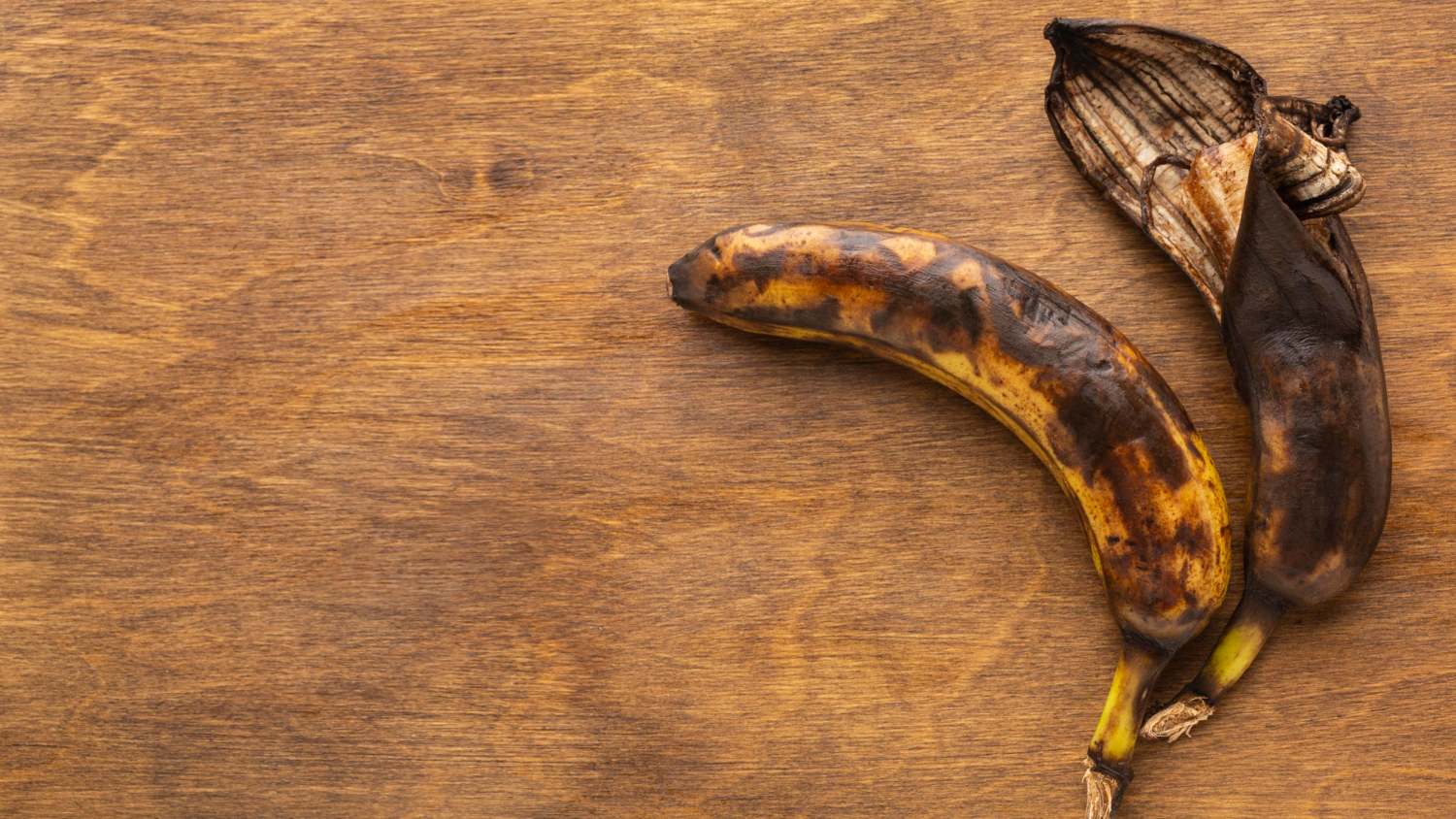
- Numerous brown spots or a mostly brown peel
- Very soft flesh
- A strong, sweet aroma
- No mold, leaking liquid, or unpleasant fermented smell
Brown spots normally indicate that a banana has become softer and sweeter. A dark peel alone does not necessarily mean that the fruit is spoiled.
How to Soften Bananas Quickly for Baking
If your bananas are already yellow or nearly yellow, you can soften them in the oven for same-day baking.
- Preheat the oven to 300°F (150°C).
- Place the unpeeled bananas on a foil- or parchment-lined baking sheet.
- Bake for about 15 to 30 minutes.
- Remove them when the peels have darkened and the fruit feels soft.
- Allow the bananas to cool before opening the peels.
The baking sheet is important because softened bananas may leak.
Use this method for banana bread, pancakes, muffins, or other recipes that call for mashed bananas. Do not use it to prepare bananas for eating raw.
Heating softens the fruit, but it does not fully reproduce natural ripening. Very green bananas may remain starchy and develop less sweetness and aroma than naturally ripe bananas.
Methods That Do Not Truly Ripen Bananas
Microwaving
A microwave heats and softens a banana but does not complete the natural ripening process. The fruit may cook unevenly and still taste starchy.
Do not microwave a whole, unpeeled banana because steam can build up and split the peel.
Freezing
Freezing does not ripen a green banana. Ice crystals damage the fruit’s structure, so an unripe banana may become watery or unusually soft after thawing while still tasting starchy.
Freeze bananas only after they have ripened.
Refrigerating Green Bananas
Do not place green bananas in the refrigerator. Bananas are sensitive to low temperatures, and refrigeration can cause peel discoloration, poor texture, and abnormal or incomplete ripening.
Once the bananas are ripe, however, refrigeration can slow further softening. The peel will usually turn brown or black, but the flesh may remain usable for several additional days.
How to Store Bananas After They Ripen
Once bananas reach your preferred ripeness, you have three main options:
- Leave them at room temperature if you plan to eat them soon.
- Refrigerate them to slow further softening.
- Peel and freeze them for smoothies or baking.
Store peeled frozen bananas in a freezer-safe container. Freezing them in individual pieces makes it easier to remove only the amount needed for a recipe.
Frequently Asked Questions
Can I ripen only one banana?
Yes. Separate one banana from the bunch and place it in a loosely folded paper bag. Leave the remaining bananas on the counter.
Does separating bananas slow down ripening?
It may slow the process slightly because the fruits are no longer releasing ethylene close to one another. However, temperature and starting ripeness usually have a greater effect.
Can I use a cardboard box instead of a paper bag?
Yes. A small cardboard box can work similarly, provided it is not sealed airtight.
Why do some bananas stay green but become soft?
The bananas may have been exposed to low temperatures or harvested before reaching proper maturity. They can soften without developing normal sweetness, color, or aroma.
Are black bananas safe to use for baking?
They may be safe if the flesh smells normal and has no mold. Discard bananas that are leaking, moldy, or have a strong fermented smell.
How can I keep ripe bananas from becoming overripe?
Place them in the refrigerator once they reach your preferred ripeness. The peel may darken, but the flesh will usually remain usable for longer.