
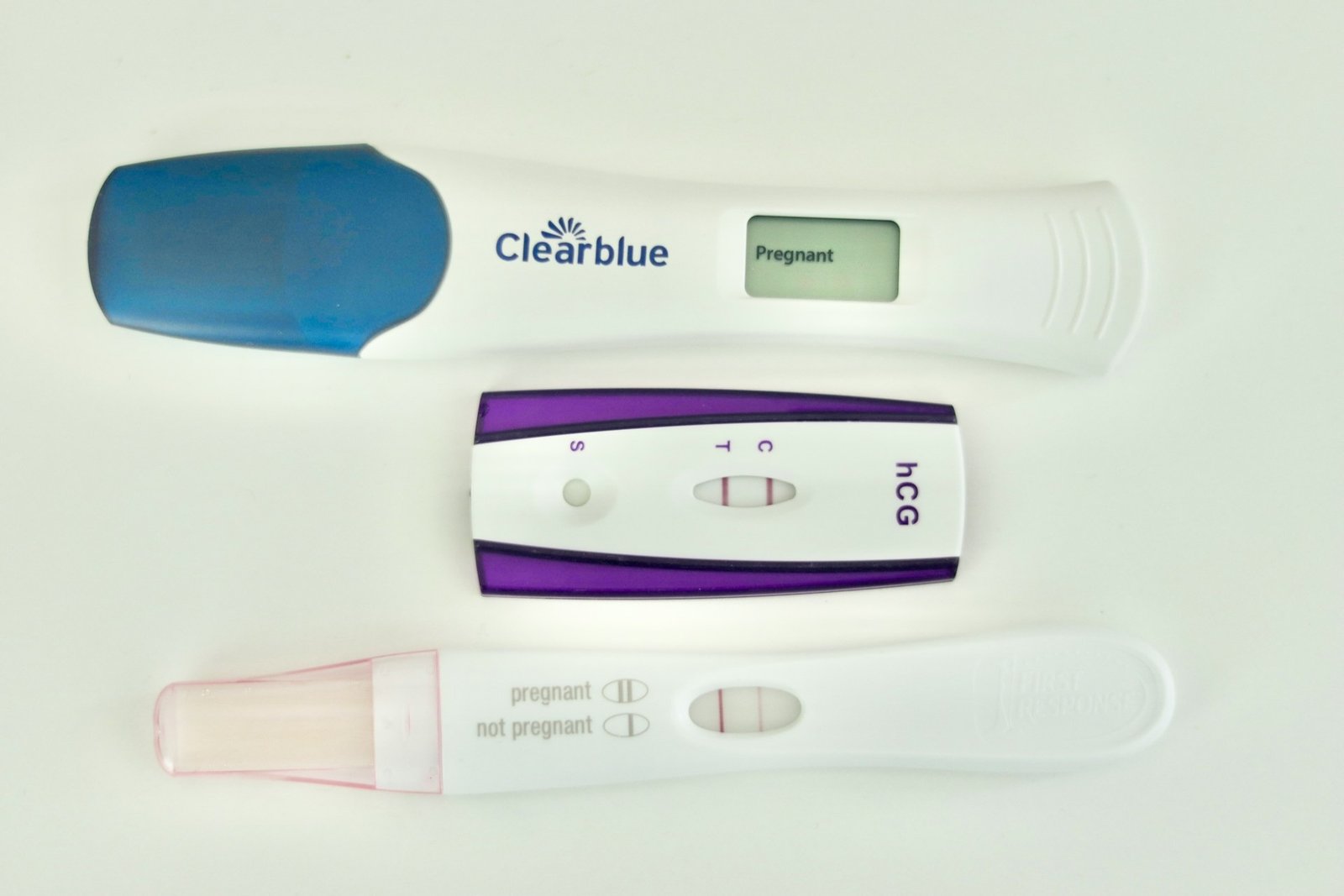
The most reliable way to know if you are pregnant is to take a pregnancy test. Early symptoms such as a missed period, nausea, breast tenderness, tiredness, or frequent urination can suggest pregnancy, but symptoms alone cannot confirm it. Many early pregnancy symptoms can also happen for other reasons.
Home pregnancy tests look for human chorionic gonadotropin (hCG), a hormone that rises after a fertilized egg implants in the uterus. For the most accurate result, it is usually best to test after you have missed your period.
Early Signs to Look For
- A missed period is one of the most common early signs of pregnancy.
- Nausea, breast tenderness, tiredness, and frequent urination can also occur.
- Some people have very few symptoms in the first weeks.
- Early pregnancy symptoms can look similar to premenstrual symptoms.
- A pregnancy test is the best way to confirm whether you are pregnant.
A Missed Period and Other Common Symptoms
A missed period is often the first sign that makes someone suspect pregnancy, especially if their cycle is usually regular. However, periods can also be late because of stress, illness, changes in weight, intense exercise, or hormonal changes.
Other common early symptoms include nausea, tender or swollen breasts, tiredness, bloating, and needing to urinate more often. Cleveland Clinic notes that nausea and breast tenderness are common during the first trimester, but symptoms can vary widely from person to person.
Not everyone develops obvious symptoms. Some people feel different very early, while others may not notice much until several weeks into pregnancy.
Less Obvious Early Pregnancy Symptoms
Early pregnancy can also cause milder changes that are easy to overlook. These may include changes in appetite, food aversions, increased sensitivity to smells, mild cramping, mood changes, or light spotting.
These symptoms are not specific to pregnancy. They can also happen around the time of a period or for unrelated reasons, so they should not be used as proof that you are pregnant.
If pregnancy is possible, testing is more useful than trying to interpret individual symptoms.
When Pregnancy Symptoms Usually Start
Pregnancy symptoms do not begin at exactly the same time for everyone. Some people notice changes around the time their period is due, while others do not experience obvious symptoms until later in the first trimester.
Cleveland Clinic notes that many people begin noticing pregnancy symptoms around the fifth week, which is also around the time many home pregnancy tests become positive.
Because pregnancy is dated from the first day of your last menstrual period, you can technically be several weeks pregnant by the time you first miss a period.
When to Take a Pregnancy Test
For the most accurate home pregnancy test result, wait until after your missed period. Some tests may detect pregnancy earlier, but testing too soon increases the chance of getting a negative result even if you are pregnant.
If you test early and the result is negative, wait a few days and test again if your period still has not started. hCG levels rise quickly in early pregnancy, so a later test may detect a pregnancy that an earlier test missed.
Using your first urine of the morning can also help, especially when testing early, because hCG may be more concentrated. Avoid drinking excessive amounts of water immediately before testing because it can dilute your urine.
How Accurate Home Pregnancy Tests Are
Home pregnancy tests can be very accurate when used correctly. Cleveland Clinic states that they are about 99% accurate when instructions are followed properly and the test is taken at the right time.
| Result | What it usually means |
| Positive | Pregnancy is likely |
| Negative before a missed period | You may have tested too early |
| Negative after a missed period | Repeat the test if your period still does not start |
| Faint positive line | It may still indicate pregnancy if read within the instructed time |
| Unclear or invalid result | Repeat the test with a new kit |
False-negative results are more common than false positives and usually happen because the test was taken too early or was not used correctly. Fertility medicines containing hCG can sometimes affect test results.
Always check the test’s expiration date and read the result within the time specified in the instructions.
What to Do After a Positive Test
If a home pregnancy test is positive, contact a healthcare provider to arrange prenatal care. You usually do not need to rush to an appointment the same day if you feel well, but it is a good idea to schedule one.
Cleveland Clinic recommends taking a prenatal vitamin containing folic acid and avoiding alcohol and smoking once you know you are pregnant. You should also speak with a healthcare professional before starting or stopping prescription medicines.
A healthcare provider may confirm the pregnancy with another urine test, a blood test, or an ultrasound depending on your circumstances.
What to Do After a Negative Test
A negative result does not always rule out pregnancy if you tested very early. If your period is late and pregnancy is still possible, repeat the test after a few days.
If repeated tests remain negative and your period still does not start, consider speaking with a healthcare provider. Delayed or missed periods can have many causes besides pregnancy.
You should also seek medical advice if you have unusual symptoms, severe pain, or other concerns even if the pregnancy test is negative.
When to Get Medical Help
Seek urgent medical care if you have a positive pregnancy test along with severe or one-sided abdominal pain, heavy bleeding, fainting, significant dizziness, or shoulder pain. These can be warning signs of complications such as an ectopic pregnancy.
An ectopic pregnancy can still produce a positive pregnancy test because hCG is present. A pregnancy test cannot tell you where the pregnancy is located.
If you are unsure about your test result or symptoms, contact a healthcare professional rather than relying on symptoms alone.
Frequently Asked Questions
A missed period is one of the most common early signs, but symptoms vary.
Some tests may detect pregnancy around 10 days after conception, but testing after a missed period is more accurate.
Yes. Some people have few or no obvious symptoms in early pregnancy.
Yes. This commonly happens when the test is taken too early.
It can. If the line appears within the test’s instructed reading time, repeat the test or contact a healthcare provider if you are unsure.
Contact a healthcare provider after a positive test to arrange prenatal care.