Key Takeaways
- Eat more vegetables, fruit, whole grains, beans, and minimally processed foods.
- Reduce sodium, especially from packaged and restaurant food.
- Aim for at least 150 minutes of moderate exercise each week.
- Sleep well, limit alcohol, avoid smoking, and maintain a healthy weight.
- Do not replace prescribed medication with natural methods without medical advice.
High blood pressure can often be improved through lifestyle changes. The most effective methods include a healthier diet, regular exercise, better sleep, and lower sodium intake.
However, lifestyle changes may not be enough for everyone. Some people also need medication to reduce the risk of heart attack, stroke, and kidney disease.
Measure Your Blood Pressure Correctly
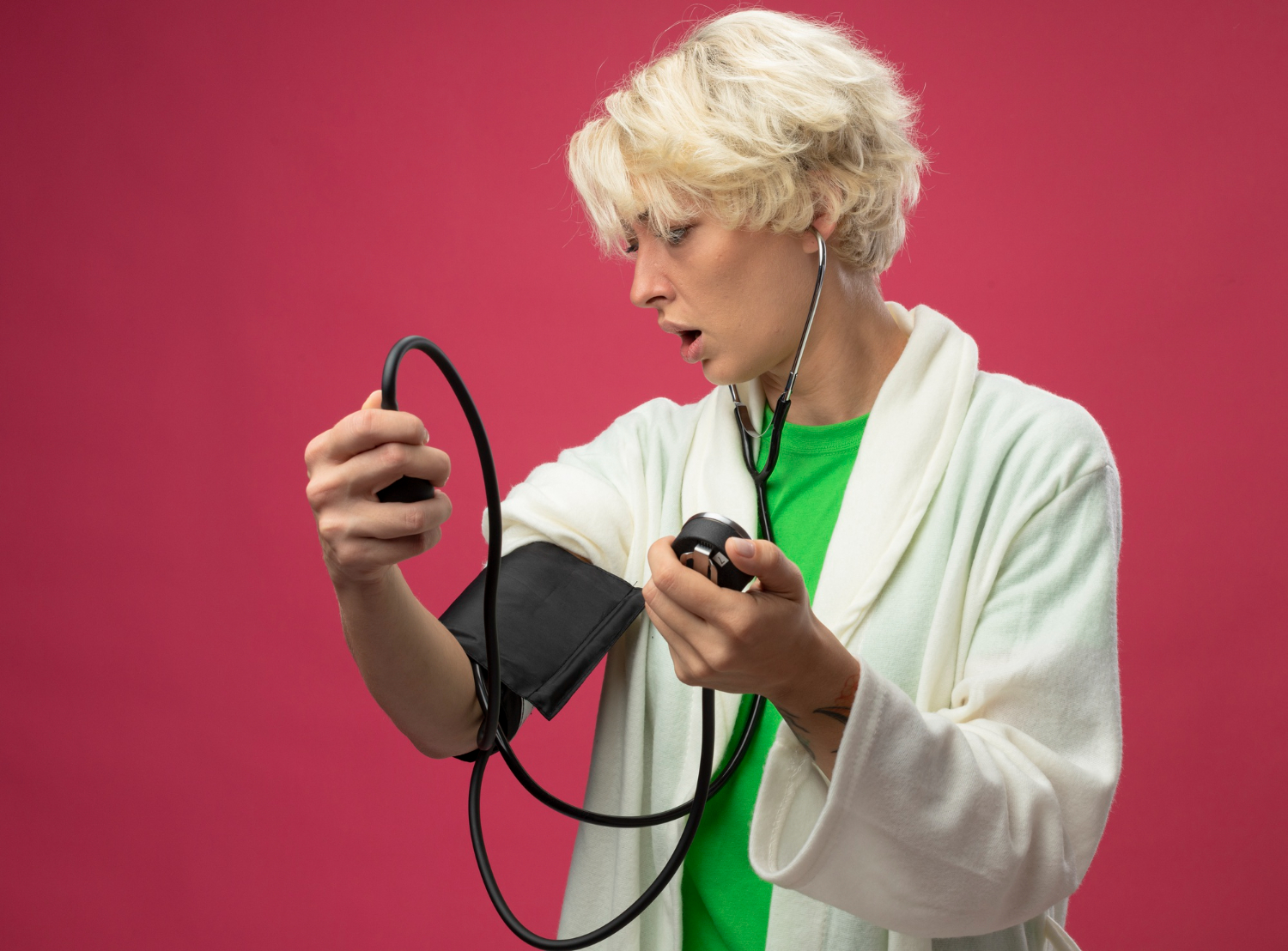
Use a validated automatic monitor with an upper-arm cuff. Make sure the cuff fits correctly.
Before measuring, avoid caffeine, smoking, and exercise for 30 minutes. Sit quietly for five minutes with your feet flat and your arm supported at heart level.
Take two readings about one minute apart. Record the results so you can track changes over time.
One high reading does not always mean you have hypertension. Speak with a healthcare professional if your readings remain elevated.
Follow a DASH-Style Diet
The DASH diet was designed to support healthy blood pressure. It focuses on vegetables, fruit, whole grains, beans, nuts, fish, and lean proteins.
Try to eat fewer processed meats, sugary foods, fried foods, and products high in saturated fat.
| Part of the plate | Suggested foods |
| Half | Vegetables and fruit |
| One-quarter | Whole grains or potatoes |
| One-quarter | Fish, chicken, beans, or lentils |
No single food can lower blood pressure on its own. Your overall diet matters more than any “miracle” ingredient.
Reduce Sodium
Too much sodium can raise blood pressure. Most sodium comes from processed, packaged, and restaurant foods.
Common high-sodium foods include canned soup, processed meat, instant noodles, pizza, sauces, frozen meals, and salty snacks.
Check food labels and compare sodium levels. Choose lower-sodium products and cook at home more often.
Use herbs, garlic, lemon, vinegar, and spices instead of adding more salt.
Eat More Potassium-Rich Foods
Potassium can help balance some of sodium’s effects. Good sources include beans, potatoes, tomatoes, leafy vegetables, bananas, avocados, yogurt, and fish.
Do not take potassium supplements without medical advice. They may be unsafe for people with kidney disease or those taking certain medications.
Exercise Regularly
Regular exercise can help lower blood pressure and strengthen the heart. Aim for about 150 minutes of moderate activity each week.
Walking, cycling, swimming, gardening, and dancing are good options. You can divide your exercise into shorter sessions.
Strength training twice a week may also help. Start slowly if you are currently inactive.
Speak with a healthcare professional before intense exercise if you have very high blood pressure, chest pain, dizziness, or heart disease.
Maintain a Healthy Weight
If you have overweight or obesity, losing some weight may help reduce blood pressure. Even modest weight loss can be beneficial.
Avoid crash diets. Focus on smaller portions, healthier foods, regular exercise, and consistent sleep.
Not everyone with high blood pressure needs to lose weight. Your goal should depend on your health and medical advice.
Limit Alcohol and Avoid Smoking
Alcohol can raise blood pressure and make medication less effective. Reducing or avoiding alcohol may improve blood-pressure control.
Smoking damages blood vessels and increases the risk of heart attack and stroke. Nicotine can also temporarily raise blood pressure.
If quitting is difficult, ask a healthcare professional about suitable support or treatments.
Improve Sleep
Poor sleep can make blood pressure harder to control. Most adults should aim for about seven to nine hours each night.
Keep a consistent sleep schedule and reduce caffeine, alcohol, and screen use before bed.
Loud snoring, gasping during sleep, and daytime tiredness may be signs of sleep apnea. Speak with a healthcare professional if you notice these symptoms.
Manage Stress
Stress can temporarily raise blood pressure and lead to unhealthy habits. Simple stress-management techniques may help.
Try walking, slow breathing, meditation, spending time outdoors, or speaking with a counselor.
Stress reduction should support medical treatment, not replace it.
Check Medicines and Supplements
Some medicines and supplements can raise blood pressure. These may include decongestants, some pain relievers, stimulant products, and natural licorice.
Caffeine may also temporarily increase blood pressure in some people. Energy drinks and high-dose caffeine products may have a stronger effect.
Ask a doctor or pharmacist to review your medicines and supplements. Do not assume a product is safe because it is described as natural.
When Should You Seek Medical Help?
Speak with a healthcare professional if your blood pressure remains high despite lifestyle changes.
Do not stop or reduce prescribed medication without medical guidance.
A reading above 180/120 mm Hg can be dangerous. Wait one minute, measure again, and seek immediate medical advice if it remains that high.
Call emergency services if a very high reading occurs with chest pain, breathing difficulty, weakness, vision changes, confusion, or difficulty speaking.
Frequently Asked Questions
What is the best time to measure blood pressure?
Measure it at the same times each day, often in the morning before eating or taking medication and again in the evening. Follow your healthcare professional’s instructions if they recommend a different schedule.
Why is my blood pressure higher in the morning?
Blood pressure naturally rises after waking as your body becomes more active. Consistently high morning readings should be discussed with a healthcare professional.
Which arm should I use to measure blood pressure?
Measure both arms when you first begin. If one arm repeatedly gives a higher reading, use that arm for future measurements and tell your healthcare professional.
Can stress cause a temporary increase in blood pressure?
Yes. Stress, anxiety, pain, and lack of sleep can temporarily raise blood pressure. Wait until you are calm before measuring again.
Can dehydration affect blood pressure?
Dehydration can sometimes cause blood pressure to change, but drinking extra water is not a treatment for hypertension. Maintain normal hydration unless a healthcare professional has advised fluid restrictions.
How often should I check my blood pressure at home?
Your healthcare professional may recommend checking it twice daily for several days when assessing your blood pressure. Once it is stable, less frequent monitoring may be sufficient.