Key Takeaways
- Exercise, smoking cessation, and weight management may modestly increase HDL cholesterol.
- Replacing saturated fats with unsaturated fats can improve your overall cholesterol profile.
- No food, supplement, or medication can safely produce a large, guaranteed increase in HDL.
- Do not start drinking alcohol to raise HDL.
- HDL must be considered alongside LDL, triglycerides, and your overall cardiovascular risk.
HDL is commonly called “good” cholesterol because it helps transport cholesterol toward the liver for processing. However, raising HDL should not be your only goal.
The American Heart Association does not consider HDL a treatment target by itself. LDL cholesterol, triglycerides, blood pressure, diabetes, smoking, and family history are also important when assessing heart disease and stroke risk.
What Is a Healthy HDL Level?
Common reference values for adults include:
| HDL result | General interpretation |
| Below 40 mg/dL in men | Considered low |
| Below 50 mg/dL in women | Considered low |
| 60 mg/dL or higher | Traditionally considered favorable |
These values are only general references. A higher HDL result does not cancel out high LDL cholesterol or other cardiovascular risks.
1. Exercise Regularly
Regular physical activity may increase HDL while helping improve LDL cholesterol, triglycerides, blood pressure, and blood sugar.
Aim for at least 150 minutes of moderate-intensity aerobic activity each week, such as brisk walking, cycling, swimming, or dancing. Muscle-strengthening exercise is also recommended on at least two days per week. If you are inactive, begin with shorter sessions and increase gradually.
Consult a healthcare professional before starting demanding exercise if you have heart disease, chest pain, serious joint problems, or another condition that could affect exercise safety.
2. Work Toward a Healthy Weight
Weight loss is not necessary for everyone. However, adults who have overweight or obesity may improve their lipid profile by losing a modest amount of weight.
NHLBI reports that losing approximately 3%–5% of body weight may lower LDL and raise HDL. Focus on sustainable eating and activity habits rather than crash diets.
3. Replace Saturated Fats With Unsaturated Fats
The type of fat you eat matters more than simply eating more fat.
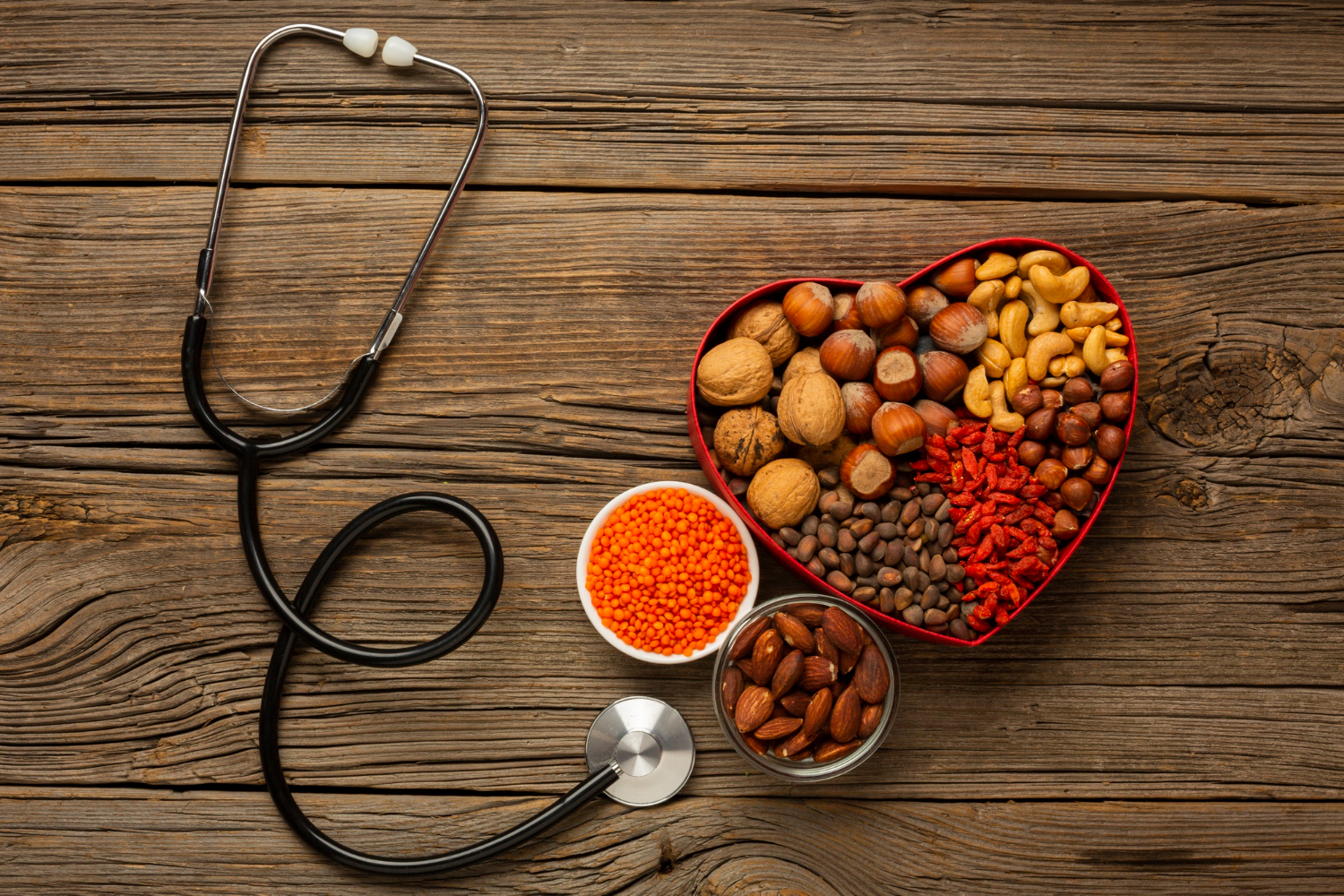
Choose unsaturated fats from olive oil, nuts, seeds, avocado, and fish. Replace fatty or processed meats with fish, beans, lentils, or lean poultry. Limit butter, full-fat dairy products, pastries, and foods high in saturated fat.
These substitutions may improve LDL and the overall lipid profile even when HDL changes only slightly.
4. Reduce Added Sugar and Refined Carbohydrates
Low HDL sometimes occurs with high triglycerides, insulin resistance, or type 2 diabetes.
Limit sugary drinks, sweets, refined baked goods, and large portions of refined grains. Choose water, whole fruit, vegetables, beans, oats, and whole grains more often.
Not all carbohydrates are unhealthy. Prioritize fiber-rich, minimally processed foods.
5. Stop Smoking
Smoking can lower HDL and substantially increase cardiovascular risk. Quitting can improve HDL while reducing the risks of heart disease, stroke, lung disease, and cancer.
Ask a healthcare professional about counseling, nicotine-replacement products, or medications if you need help quitting.
6. Do Not Use Alcohol as an HDL Treatment
Alcohol may raise HDL in some people, but it is not a safe cholesterol treatment.
Alcohol can increase triglycerides, blood pressure, calorie intake, liver disease risk, and the risk of several cancers. The American Heart Association does not recommend starting alcohol consumption to obtain possible health benefits.
7. Manage Related Conditions
Diabetes, obesity, thyroid disorders, kidney disease, sleep apnea, and certain medications may affect cholesterol levels.
Do not stop prescribed medication because you think it is lowering your HDL. Ask the prescriber whether your health conditions or medications could be influencing the result.
Can Foods or Supplements Raise HDL?
No single food reliably produces a large HDL increase. A heart-healthy eating pattern should include vegetables, whole fruits, beans, whole grains, nuts, fish, and unsaturated fats.
Niacin can raise measured HDL, but it should be taken only when prescribed. Raising HDL with a supplement or medication does not necessarily reduce heart attack or stroke risk.
How Long Does It Take?
There is no guaranteed timeline. Changes in a lipid panel generally require consistent habits over weeks or months.
Do not become discouraged if HDL changes only slightly. Lower LDL, lower triglycerides, improved blood pressure, and better blood sugar control may be more meaningful improvements.
When to Consult a Healthcare Professional
Discuss your results with a healthcare professional if low HDL occurs with high LDL or triglycerides, or if you have diabetes, kidney disease, high blood pressure, a family history of early heart disease, or a history of heart attack or stroke.
An unexpectedly high HDL result should also be interpreted with the rest of your lipid panel rather than assumed to provide complete protection.
Frequently Asked Questions
Can low HDL cholesterol be genetic?
Yes. Genetics can influence how much HDL your body produces and how it functions. Some people may continue to have low HDL despite exercising regularly, eating well, and maintaining a healthy weight.
Does walking increase HDL cholesterol?
Regular brisk walking may modestly increase HDL, especially when combined with weight management and other healthy habits. Consistency is more important than choosing one specific type of exercise.
Is very high HDL cholesterol always healthy?
No. Very high HDL does not always provide additional protection against heart disease. An unusually high result should be interpreted alongside LDL, triglycerides, medical history, and other cardiovascular risk factors.
Do omega-3 supplements increase HDL?
Omega-3 supplements are mainly used to lower triglycerides and usually have only a small effect on HDL. They should not be taken solely to increase HDL unless recommended by a healthcare professional.
How much can HDL cholesterol increase through lifestyle changes?
The increase is usually modest and varies between individuals. Genetics, starting weight, smoking status, physical activity, diet, and underlying health conditions all affect the result.
Do I need to fast before an HDL cholesterol test?
Many cholesterol tests can be performed without fasting. However, fasting may be requested when triglycerides are high or when a healthcare professional needs a more detailed lipid assessment. Follow the instructions provided before your test.