Key Takeaways
- A Microplane or rasp-style grater is the easiest tool for producing fine, fluffy lemon zest.
- Remove only the yellow outer peel and stop before reaching the bitter white pith.
- Wash and dry the lemon, then zest it before cutting or juicing it.
- A box grater, citrus zester, vegetable peeler, or paring knife can be used when a Microplane is unavailable.
- Depending on its size and peel thickness, one medium lemon generally provides about 2 teaspoons to 1 tablespoon of loosely measured zest.
Zesting a lemon takes only a minute once you know how to remove the yellow peel without scraping into the white pith. Lemon zest adds a bright citrus aroma to cakes, cookies, pasta, sauces, dressings, marinades, and drinks without adding much liquid.
A Microplane is usually the easiest tool, but it is not the only option. You can also zest a lemon with a box grater, traditional citrus zester, vegetable peeler, or paring knife.
What Is Lemon Zest?
Lemon zest is the thin yellow layer on the outside of the peel. It contains aromatic oils that give food a concentrated lemon fragrance and flavor without the amount of liquid or acidity found in lemon juice.
The white layer directly beneath the yellow peel is called the pith. It is edible, but it often tastes bitter. When zesting a lemon, remove only the colored surface and stop when the white pith becomes visible.
Zest the lemon while it is still whole and firm. Once cut or squeezed, it becomes softer, more slippery, and harder to zest safely.
What Is the Best Tool for Zesting a Lemon?
The best tool depends on the texture required by your recipe.
| Tool | Result | Best for |
| Microplane or rasp grater | Fine, fluffy zest | Baking, sauces, pasta and dressings |
| Box grater, fine side | Fine but slightly coarser zest | General cooking and baking |
| Citrus zester | Long, narrow strands | Garnishes, cocktails and decorations |
| Vegetable peeler | Wide strips | Infusions, twists and finely minced peel |
| Paring knife | Strips or minced peel | Zesting without a specialized tool |
A Microplane is the best all-purpose choice because its sharp teeth remove thin pieces of peel, making it easier to avoid the white pith. A box grater is the closest common substitute.
A traditional citrus zester creates narrow strands rather than the fine particles normally used in cake batter, cookies, sauces, or salad dressings.
How to Prepare a Lemon for Zesting
Remove the produce sticker and rinse the lemon thoroughly under running water while rubbing its surface with your fingers. Dry it completely with a clean cloth or paper towel.
The U.S. Food and Drug Administration recommends washing produce under plain running water and advises against using soap, detergent, or commercial produce wash.
If the lemon has a noticeable wax coating, gently scrub it with a clean produce brush while rinsing it. Food-grade wax used on produce is considered safe, but scrubbing can help remove some of the surface coating and debris.
Choose a firm lemon without mold, deep cuts, or badly damaged areas. Both conventional and organic lemons can be used for zest, but either type should be washed before use.
Drying is important because a wet lemon is more likely to slip while you are zesting it.
How to Zest a Lemon With a Microplane
- Hold the whole lemon firmly in your non-dominant hand.
- Hold the Microplane over a cutting board or plate.
- Move the lemon lightly across the teeth in one direction.
- Rotate the lemon after each pass.
- Stop grating each area as soon as the white pith appears.
- Tap or scrape the zest from the back of the grater.
Use light pressure. A sharp Microplane should remove the yellow peel without requiring much force.
Do not repeatedly grate the same area. Doing so increases the chance of scraping away bitter white pith. Keep your fingertips away from the teeth, especially as you reach the ends of the lemon.
Some people prefer to hold the lemon still and move the Microplane across it. Either method is acceptable as long as the tool is stable and your fingers remain clear of the sharp surface.
How to Zest a Lemon Without a Microplane
Method 1: Use a Box Grater
Place the box grater firmly on a cutting board and use its fine-grating side.
Make one light pass with the lemon, rotate it, and repeat. Avoid using the large holes because they produce thick, uneven pieces and make it easier to remove too much pith.
Check the inside of the grater for zest that has collected behind the holes.
Method 2: Use a Citrus Zester
Press the small cutting holes of the citrus zester lightly against the top of the lemon. Pull the tool toward the bottom in one steady motion.
Rotate the lemon between passes. Use the resulting strands as a garnish, or chop them finely when a recipe requires smaller pieces.
Method 3: Use a Vegetable Peeler
Use gentle pressure to remove thin, wide strips of yellow peel.
Place each strip on a cutting board with the yellow side facing down. If white pith remains on the underside, carefully trim it away with a paring knife.
Leave the strips whole for infusions and garnishes, cut them into thin strips for twists, or mince them when a recipe calls for finely chopped zest.
Method 4: Use a Paring Knife
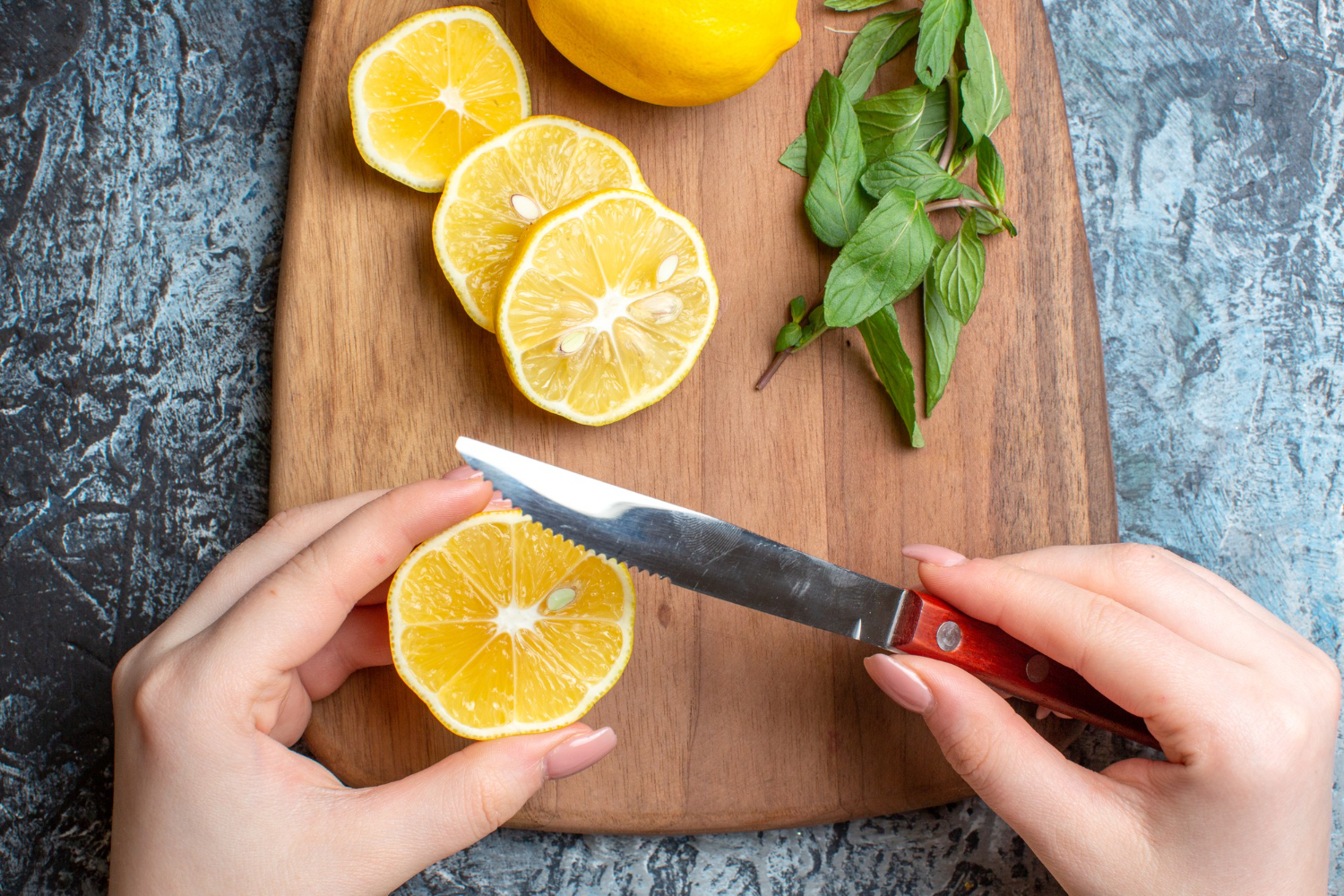
Place the lemon on a stable cutting board. Carefully slice away thin sections of the yellow peel, cutting away from your hands and fingers.
Trim any visible white pith from the underside. Cut the cleaned peel into narrow strips or mince it finely.
A paring knife works when no grater or peeler is available, but it requires more time and control than the other methods.
Common Lemon-Zesting Mistakes
Cutting into the white pith
Thick white pieces indicate that you are pressing too hard or grating the same area too many times. Use lighter pressure and rotate the lemon after every pass.
A tiny amount of pith is unlikely to ruin a recipe, but a large amount can add noticeable bitterness.
Zesting after juicing
Always zest the lemon before cutting or squeezing it. A squeezed lemon is soft and difficult to hold securely.
Zesting a wet lemon
Dry the lemon completely after washing it. Moisture makes both the fruit and the tool harder to control.
Using the wrong side of a box grater
Use the fine-grating surface rather than the large shredding holes. Large holes produce thick pieces that may contain too much pith.
Pressing too hard
More pressure does not necessarily produce more zest. It usually makes the pieces coarser and increases the chance of reaching the pith.
Leaving fresh zest exposed
Freshly grated zest gradually loses aroma as its oils are exposed to air. Use it promptly or transfer it to a sealed container.
How Much Zest Is in One Lemon?
A medium lemon generally produces about 2 teaspoons to 1 tablespoon of loosely measured zest.
The exact amount depends on:
- The size of the lemon.
- The thickness and texture of its peel.
- The tool used.
- How closely the lemon is zested.
- Whether the zest is measured loosely or compressed.
When a recipe asks for “the zest of one lemon,” zest the usable yellow surface rather than trying to reach an exact spoon measurement.
How to Store Lemon Zest
Fresh zest provides the strongest aroma, so use it immediately when possible.
For short-term storage, place it in a tightly sealed container and refrigerate it. For longer storage, freeze the zest in a freezer-safe container or bag with as much excess air removed as possible.
Dividing the zest into half-teaspoon or one-teaspoon portions before freezing makes it easier to add directly to future recipes. Frozen zest works well in cooked dishes and baked goods, although its aroma may be slightly less intense than freshly grated zest.
Frequently Asked Questions
Can I zest a waxed lemon?
Yes. Rinse the lemon under running water and gently scrub it with a clean produce brush. Dry it completely before zesting.
Should lemon zest be packed when measuring?
Usually not. Place it loosely in the measuring spoon unless the recipe specifically instructs you to pack it.
Can I use dried lemon peel instead of fresh zest?
Dried lemon peel can work in some recipes, but it does not provide exactly the same fresh aroma. Follow the package instructions or add it gradually to taste.
How can I make lemon zest taste stronger in baked goods?
Rub the zest into the recipe’s sugar with your fingertips before mixing in the other ingredients. This helps release and distribute the lemon oils.
Can I zest a lemon in advance?
Yes, but freshly grated zest has the strongest aroma. Store prepared zest in a sealed container and refrigerate it briefly or freeze it for longer storage.
What should I do with the lemon after zesting it?
Juice it, slice it for drinks, or use it in sauces, marinades, and dressings. Refrigerate a zested lemon in a sealed container and use it promptly because the exposed peel allows it to dry out more quickly.