Cooking rice is simple once you get three things right: the amount of water, the heat, and the cooking time. The basic method is to rinse the rice, add water, bring it to a simmer, cover the pot, cook over low heat, and let the rice rest before serving.
The exact amount of water depends on the type of rice you are using. Jasmine, basmati, long-grain white rice, and brown rice do not all cook the same way, so check the package instructions when available.
Key Takeaways
- Rinse most white rice before cooking to remove loose surface starch.
- Use the correct amount of water for the type of rice you have.
- Cover the pot and reduce the heat once the water begins to simmer.
- Do not stir the rice or repeatedly lift the lid while it cooks.
- Let cooked rice rest for 5–10 minutes before fluffing it.
How Much Water Do You Need for Rice?
There is no single rice-to-water ratio that works for every variety. The brand, type of rice, saucepan, and cooking method can all affect how much water is needed.
Use these amounts as starting points. If the package gives different instructions, follow those instead.
| Rice type | Water for 1 cup rice | Approximate cooking time |
| Long-grain white rice | About 1½ cups | 15–18 minutes |
| Jasmine rice | About 1¼–1½ cups | About 15 minutes |
| Basmati rice | About 1½–1¾ cups | 15–20 minutes |
| Brown rice | Check package instructions | 30–45 minutes |
If your rice is consistently too soft, use slightly less water the next time. If it remains hard and dry, you may need a little more.
Sticky or glutinous rice often requires a different cooking method and should not automatically be prepared using these ratios.
What You Need
For basic stovetop rice, you need rice, water, a measuring cup, and a saucepan with a tight-fitting lid. Salt, butter, and oil are optional.
A heavy-bottomed saucepan can help prevent burning because it distributes heat more evenly. The lid should fit well enough to keep most of the steam inside while the rice cooks.
How to Cook Rice on the Stove
Step 1: Measure the Rice
Measure the amount of rice you want to cook. One cup of uncooked long-grain rice commonly makes around 3 cups of cooked rice, although the exact amount varies by variety.
Use the same measuring cup for the rice and water so your ratio stays consistent.
Step 2: Rinse the Rice
Place the rice in a fine-mesh strainer or bowl and rinse it under cool water. Gently move the grains around, drain the cloudy water, and repeat two or three times.
Rinsing removes loose surface starch, which can help prevent the rice from becoming overly gummy. The water does not need to become completely clear. Drain the rice well after rinsing.
Step 3: Add Water
Put the drained rice in a saucepan and add the appropriate amount of water. Add a little salt if desired.
You can also add a small amount of butter or oil for flavor, but neither is necessary.
Step 4: Bring It to a Simmer
Place the saucepan over medium heat and bring the rice and water to a gentle simmer. Small, steady bubbles are enough; you do not need a strong rolling boil.
Once the water begins simmering, cover the saucepan and reduce the heat to low.
Step 5: Cook With the Lid On
Let the rice cook over low heat without stirring it or repeatedly opening the lid. Removing the lid releases steam, while stirring can release more starch and make the rice gummy.
Most white rice cooks in about 15–20 minutes. Use the package cooking time when available.
Step 6: Check the Rice
At the end of the cooking time, briefly check the pot. The water should be absorbed and the grains should be tender.
If water remains at the bottom, cover the pot and cook for another few minutes. If the rice is still hard but the pot is dry, add a small splash of water and continue cooking gently.
Step 7: Let It Rest
Turn off the heat and leave the rice covered for 5–10 minutes. Resting allows the remaining steam and moisture to distribute more evenly through the grains.
After resting, gently fluff the rice with a fork or rice paddle and serve.
How Do You Know When Rice Is Done?
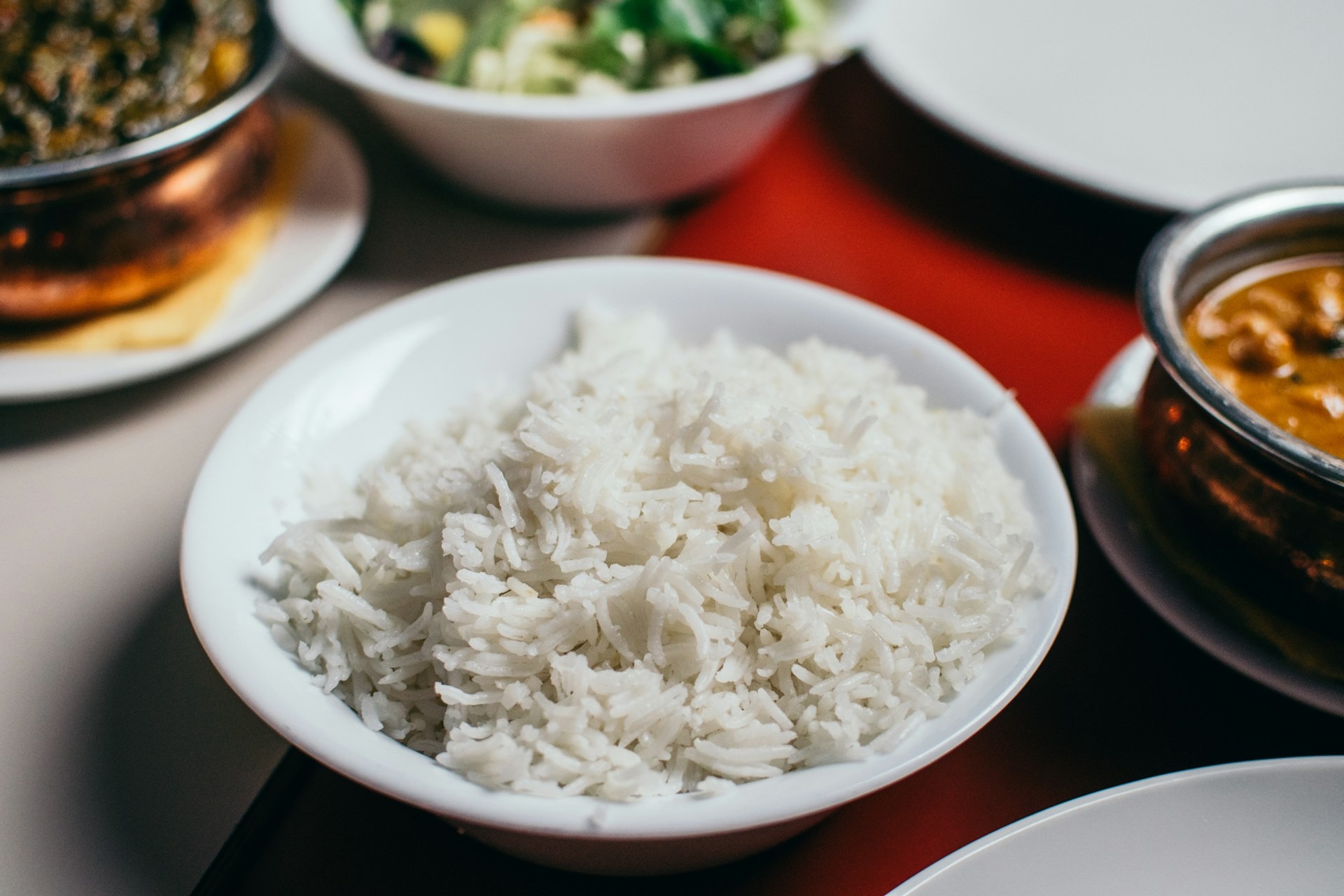
Cooked rice should be tender without a hard or chalky center. The water should be absorbed, and there should not be a pool of liquid at the bottom of the saucepan.
If you are unsure, taste a few grains. If they are tender, the rice is ready. If they are still firm, the rice needs a little more cooking time.
Should You Rinse Rice Before Cooking?
Rinsing is useful for many types of white rice because it removes loose starch from the outside of the grains. This can help produce rice that is less gummy and separates more easily.
Two or three rinses with cool water are usually enough. However, check the package because some rice products may have different preparation instructions.
Soaking is different from rinsing and is not necessary for most everyday white rice. Some basmati and specialty rice preparations may benefit from soaking.
How to Cook Rice in a Rice Cooker
Measure and rinse the rice, then place it in the rice cooker with the recommended amount of water. If your cooker has water-level markings, use them according to the manufacturer’s instructions.
Select the appropriate setting and allow the cooker to finish its cycle. Once cooking is complete, let the rice rest briefly if recommended, then fluff it before serving.
Rice cookers vary, so the manufacturer’s directions should take priority over a general water ratio.
Common Rice Cooking Problems
Most rice problems are caused by too much or too little water, excessive heat, or incorrect cooking time.
| Problem | Likely cause | What to do |
| Rice is hard | Too little water or cooking time | Add a small amount of water and cook a few minutes longer |
| Rice is mushy | Too much water | Use slightly less water next time |
| Rice is gummy | Excess starch or stirring | Rinse the rice and avoid stirring while cooking |
| Rice burns | Heat is too high | Reduce the heat and use a heavier saucepan |
| Water remains | Too much water or too little cooking time | Cover and cook a few minutes longer |
If rice is undercooked and the pot is already dry, add about 2–3 tablespoons of water, cover it, and cook over low heat for another 5 minutes. Add extra water gradually rather than pouring in a large amount at once.
How Much Rice Should You Cook Per Person?
For a small side serving, about ¼ cup of uncooked rice per person is usually enough. If rice is a larger part of the meal, plan for around ⅓–½ cup per person.
One cup of uncooked long-grain rice commonly produces about 3 cups of cooked rice, although the exact yield varies.
How to Store Cooked Rice
Refrigerate leftover rice promptly rather than leaving it at room temperature for a long period. As a general food-safety rule, perishable leftovers should be refrigerated within 2 hours, or within 1 hour when temperatures are above 90°F (32°C).
Store the rice in a covered container in the refrigerator and use it within about 3–4 days. When reheating, heat the rice thoroughly. Adding a small splash of water before reheating can help keep it from drying out.
Frequently Asked Questions
Most white rice takes about 15–20 minutes. Brown rice usually takes longer, often 30–45 minutes.
It depends on the type of rice. About 1½ cups of water per cup of long-grain white rice is a common starting point.
Yes. Keeping the lid on traps steam and helps the rice cook evenly.
Too much water or too much cooking time are the most common causes.
One cup of uncooked long-grain rice commonly makes around 3 cups of cooked rice.