
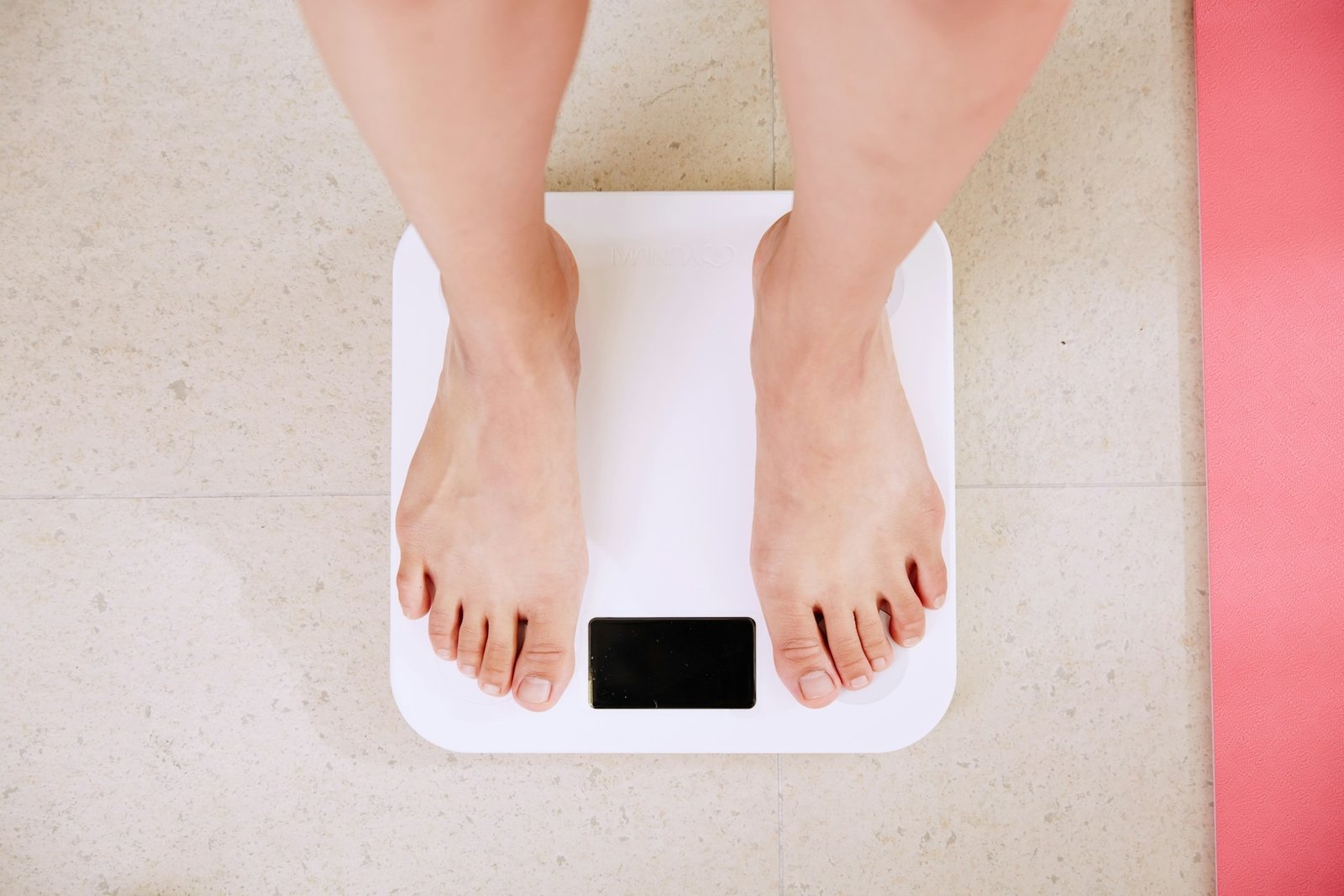
Losing weight does not require a crash diet or an extreme exercise routine. For most adults, the basic principle is to consistently take in less energy than the body uses, while still eating a balanced diet that provides the nutrients you need. Small changes that you can maintain are usually more useful than a strict plan that only lasts a few weeks.
A realistic goal is also important. The NHS recommends aiming to lose around 0.5 to 1 kg (1 to 2 lb) per week rather than trying to lose weight as quickly as possible. Your progress may not be identical every week, and factors such as medications, health conditions, sleep, age, and your starting weight can all affect how quickly your weight changes.
Start With a Realistic Weight-Loss Goal
Instead of focusing on a large final number, start with a smaller goal that feels achievable. Losing weight gradually gives you more time to develop eating and activity habits that you can continue after reaching your target.
You also do not need to reach a particular appearance or an “ideal” number on the scale to benefit from weight loss. For people who have overweight or obesity, even modest weight loss may improve health markers such as blood pressure, blood sugar, and cholesterol.
Weighing yourself regularly can help you follow the overall trend, but avoid judging your progress based on a single day. Body weight naturally changes because of food, fluids, salt intake, hormones, and other factors.
How to Eat for Weight Loss
Weight loss happens when you consistently consume fewer calories than your body uses. This does not mean that you have to count every calorie or completely stop eating foods you enjoy. A more sustainable approach is to make meals filling and nutritious while reducing foods and drinks that add a lot of calories without keeping you satisfied.
Build meals around vegetables, fruit, whole grains, and sources of protein such as beans, lentils, eggs, fish, poultry, lean meat, or other foods that fit your preferences. Portion size also matters. Even nutritious foods can contribute more calories than you need when portions are consistently very large.
Simple substitutions can make a meaningful difference over time:
| Instead of | Try |
| Sugary soft drinks | Water or an unsweetened drink |
| Very large portions | Start with a smaller serving and have more if still hungry |
| Frequent sweets or high-calorie snacks | Fruit, yogurt, or another filling snack |
| Refined grains | Whole-grain options when available |
| Eating until very full | Stop when comfortably satisfied |
There is no single diet that everyone must follow to lose weight. Different approaches can work, but a good plan should provide balanced nutrition, reduce overall calorie intake, and be realistic enough to maintain over the long term.
Pay Attention to Drinks and Snacks
Calories from drinks can be easy to overlook. Soft drinks, sweetened coffees, energy drinks, milkshakes, and some alcoholic drinks can add significant calories without making you feel as full as a meal.
Water is an easy default choice. Tea and coffee can also fit into a weight-loss plan, but sugar, syrups, cream, and other additions can substantially change their calorie content.
Snacks are another area worth paying attention to. You do not necessarily have to stop snacking, but eating automatically because you are bored, stressed, or simply because food is available can make maintaining a calorie deficit more difficult.
Exercise and Physical Activity for Weight Loss
Exercise can support weight loss, but its benefits go well beyond the number you see on the scale. Regular activity can improve cardiovascular health, fitness, strength, mobility, and overall well-being.
For general health, adults are commonly advised to aim for at least 150 minutes of moderate-intensity activity per week. Moderate activity could include brisk walking, cycling, swimming, dancing, or anything else that noticeably increases your breathing and heart rate. Muscle-strengthening activities are also recommended on at least two days per week.
You do not have to complete all of this at once. If you are currently inactive, start with an amount you can comfortably manage and gradually increase it. Walking more, taking stairs, doing household tasks, or adding short periods of activity throughout the day can all contribute.
Build Habits You Can Actually Maintain
A good weight-loss plan should still feel realistic several months from now. If your plan requires you to avoid social events, eat foods you dislike, or exercise for hours every day, maintaining it is likely to be difficult.
Try changing one or two habits at a time. You might start by replacing sugary drinks with water, adding vegetables to dinner, walking for 20 or 30 minutes several times per week, or planning meals before you become hungry. Once those habits feel normal, you can make another change.
Tracking can also be useful. You could record your weight once a week, keep a simple food diary for a short period, or track your activity. The goal is not to be perfect but to identify patterns that are helping or slowing your progress. Structured weight-loss programs commonly use regular monitoring of food, physical activity, and weight for this reason.
Don’t Ignore Sleep and Stress
Eating and physical activity are central to weight management, but they do not happen in isolation. Poor sleep and high stress can make healthy routines harder to maintain and may influence appetite, eating behaviour, and activity levels.
Try to keep a reasonably consistent sleep schedule and make enough time for sleep whenever possible. If stress regularly leads you to eat when you are not physically hungry, look for other ways to respond to it, such as taking a walk, talking to someone, exercising, or stepping away from the situation for a while.
You do not need perfect sleep or a stress-free life before you can lose weight. They are simply additional parts of a sustainable approach.
Weight-Loss Mistakes to Avoid
Trying to lose weight very quickly is one of the most common mistakes. Be cautious of diets or programs promising dramatic results in a matter of days or weeks, especially if they claim you can lose large amounts of weight without changing how you eat or how active you are. NIDDK specifically recommends avoiding weight-loss programs that make unrealistic promises of this kind.
Skipping meals is not automatically an effective solution either. If skipping a meal makes you extremely hungry later, you may end up eating more than you otherwise would have. Similarly, completely banning every food you enjoy can make a diet unnecessarily difficult to maintain.
Another mistake is expecting exercise alone to compensate for consistently eating more energy than your body needs. Exercise is extremely valuable for health and can support weight management, but food intake still plays a major role in weight loss.
What If You Stop Losing Weight?
Weight loss is rarely a perfectly straight line. It is normal for the scale to stay the same for periods of time, and your energy needs can also decrease as you lose weight. NIDDK notes that metabolism slows during weight loss and that the body requires fewer calories at a lower weight.
If your weight has not changed for several weeks, review what you are actually doing before making drastic changes. Portion sizes may have gradually increased, snacks or drinks may be adding more calories than expected, or your activity level may have fallen.
You may only need a small adjustment. Avoid responding to a plateau by dramatically restricting food or attempting an extreme diet.
How to Keep Weight Off After Losing It
Reaching your target is not the end of weight management. The habits that helped you lose weight are also important for preventing gradual weight regain.
Continue eating in a way that supports your new weight, stay physically active, and monitor your weight occasionally so that you notice trends early. NIDDK notes that ongoing healthy eating, regular physical activity, and weight monitoring can all be useful for maintaining weight loss.
You do not have to maintain exactly the same number on the scale every day. A small amount of fluctuation is normal. Focus on maintaining your habits and your longer-term weight range.
When to Talk to a Doctor About Weight Loss
Weight loss is not always as simple as changing your diet and exercising more. Some health conditions and medications can affect weight, appetite, or how easily you lose weight.
Consider speaking with a doctor or another qualified healthcare professional if you have been making consistent changes but are struggling to lose weight, have a medical condition that could affect your weight, take medication that may influence your weight, or are considering prescription weight-loss treatment. The NHS also recommends seeking professional help when overweight or obesity occurs alongside conditions such as diabetes, high blood pressure, high cholesterol, sleep apnoea, or cardiovascular disease.
If you have an eating disorder or think you may have one, seek professional advice rather than following a general weight-loss plan. Children and teenagers also have different nutritional and growth needs, and anyone who is pregnant should discuss weight management with a healthcare professional rather than following general adult weight-loss advice.
Frequently Asked Questions
A commonly recommended target for adults trying to lose weight is around 0.5 to 1 kg, or 1 to 2 lb, per week. Your actual rate can vary, and you should not assume that faster weight loss is necessarily better.
There is no single shortcut that works safely for everyone. A more sustainable approach is to create a moderate calorie deficit through healthier food choices and portion control while staying physically active and building habits that you can maintain.
Yes, weight loss can occur when you consume fewer calories than your body uses even without a formal exercise program. However, physical activity provides important health benefits and can help with maintaining weight loss, so it is still an important part of a healthy lifestyle.
There is no special list of foods required for weight loss. Aim for a balanced diet containing vegetables, fruit, whole grains, and suitable sources of protein, while paying attention to portion sizes and limiting foods and drinks that add a lot of calories without providing much nutrition or fullness.
Not necessarily. Counting calories can help some people understand portion sizes and eating patterns, but it is not the only way to create a calorie deficit. Adjusting portions, choosing more filling foods, reducing sugary drinks, and monitoring your progress can also help.
There can be several reasons. Your portions or drinks may contain more calories than you realise, your activity may have changed, or normal weight fluctuations may be hiding short-term progress. Medications and health conditions can also affect weight. If you have made consistent changes for an extended period and are concerned about your progress, speak with a healthcare professional.