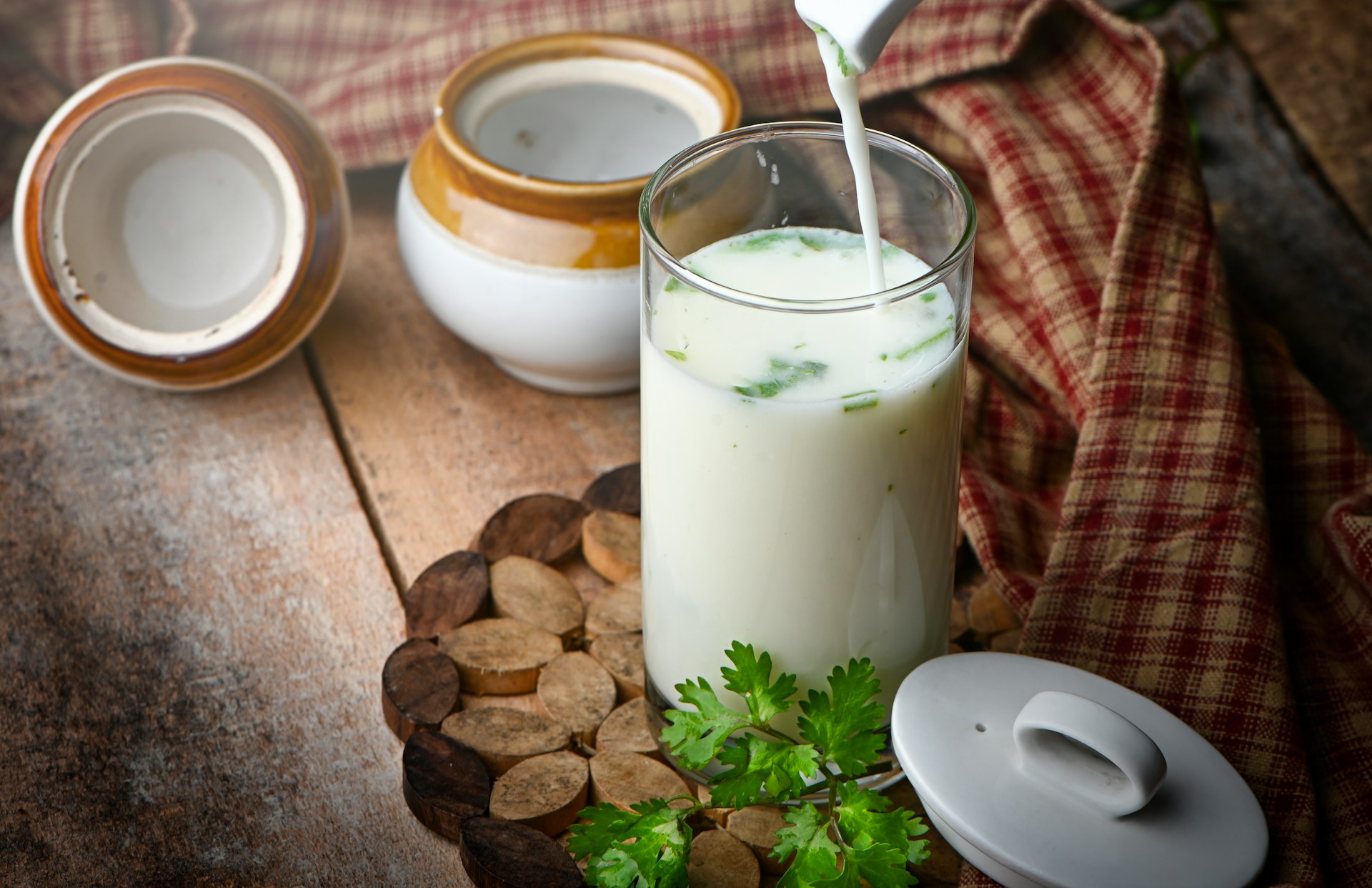
Out of buttermilk in the middle of a recipe? You can make a quick buttermilk substitute with ordinary milk and either lemon juice or white vinegar.
This mixture works well in pancakes, muffins, biscuits, waffles, cakes, cornbread, and many other baked recipes. It takes about one minute to mix and five minutes to rest.
Technically, this method makes acidified or soured milk rather than true cultured buttermilk. However, it provides the liquid and acidity needed in many everyday baking recipes. Utah State University Extension recommends using 1 tablespoon of vinegar or lemon juice with enough milk to make 1 cup, then letting the mixture stand for five minutes.
Key Takeaways
- For 1 cup of buttermilk substitute, use 1 tablespoon of lemon juice or white vinegar and enough milk to reach the 1-cup line.
- Add the acid to the measuring cup before adding the milk so that the total volume remains accurate.
- Let the mixture stand for about five minutes before using it.
- This method produces acidified milk, not genuine cultured buttermilk.
- The substitute is best for ordinary baking; use cultured buttermilk when its thickness and tang are central to the recipe.
Quick Buttermilk Substitute Recipe
Ingredients
For 1 cup, you will need:
- 1 tablespoon lemon juice or food-grade white vinegar
- Enough whole, 2%, 1%, or skim milk to make 1 cup
Whole or 2% milk generally provides the richest result, but lower-fat milk can also be used.
Instructions
- Pour 1 tablespoon of lemon juice or white vinegar into a liquid measuring cup.
- Add enough milk to bring the combined liquid to the 1-cup line. Do not add the acid to a full cup of milk.
- Stir gently.
- Let the mixture stand for five minutes.
- Add it to the recipe in place of 1 cup of buttermilk.
The milk may thicken slightly or develop a few small curds. This is normal. It does not need to become as thick as cultured buttermilk.
Buttermilk Substitute Measurement Chart
Use the same ratio when a recipe calls for less than 1 cup. These measurements use US cups and measuring spoons.
| Buttermilk substitute needed | Lemon juice or vinegar | Milk |
| 1/4 cup | 3/4 teaspoon | Add enough to reach 1/4 cup |
| 1/2 cup | 1 1/2 teaspoons | Add enough to reach 1/2 cup |
| 3/4 cup | 2 1/4 teaspoons | Add enough to reach 3/4 cup |
| 1 cup | 1 tablespoon | Add enough to reach 1 cup |
Always measure the acid first. Then add milk until the combined ingredients reach the required volume.
Is It the Same as Cultured Buttermilk?
No. The five-minute substitute is acidified milk rather than true cultured buttermilk.
Traditional buttermilk was associated with the liquid left after cream was churned into butter. Most buttermilk sold for home cooking today is cultured by adding microorganisms to milk. The culturing process creates buttermilk’s characteristic acidity, thickness, and tangy flavor. USDA and FDA standards distinguish cultured milk from acidified milk.
The quick substitute provides acidity and liquid, which makes it useful in many baked recipes. However, it will not perfectly reproduce the flavor or thickness of cultured buttermilk.
Should You Use Lemon Juice or Vinegar?
Both lemon juice and white vinegar work.
White vinegar is a practical choice for recipes with mild or delicate flavors. Lemon juice is also suitable, especially when a faint citrus note will complement the other ingredients.
Use ordinary food-grade vinegar intended for cooking. Avoid balsamic, malt, and other strongly flavored vinegars because they may noticeably change the flavor or color of the finished recipe.
Apple cider vinegar can be used when necessary, but it has a more distinctive taste than white vinegar.
Which Type of Milk Works Best?
Whole or 2% milk is generally the closest everyday choice when you want a richer substitute. The additional milk fat may help the mixture resemble the richness of cultured buttermilk more closely.
One-percent and skim milk can also supply the required liquid and acidity. The final result may be slightly less rich, although the difference will depend on the recipe.
For a dairy-free version, unsweetened soy milk is often a practical option. Plant-based drinks vary in protein, fat, thickness, and added ingredients, so they may not curdle or bake exactly like dairy milk. Use a tested dairy-free recipe when texture or rising is particularly important.
When Does a Buttermilk Substitute Work Best?
This substitute works best when buttermilk is one of several ingredients in a baked recipe. It is particularly useful in recipes containing baking soda because an acidic ingredient is needed to react with the baking soda and support leavening.
Good uses include:
- Pancakes and waffles
- Muffins and cupcakes
- Biscuits and scones
- Quick breads
- Cornbread
- Cakes
Use cultured buttermilk when its thickness and tang are major parts of the finished dish. Examples include buttermilk dressing, ranch-style sauces, and marinades that use a large quantity of buttermilk.
Common Mistakes to Avoid
Adding acid to a full cup of milk
This creates more than 1 cup of liquid and can disturb the balance of a baking recipe. Put the acid in the measuring cup first, then add enough milk to reach the correct line.
Skipping the resting time
Let the mixture stand for about five minutes. It may thicken only slightly, but the brief rest gives the acid time to affect the milk.
Expecting the consistency of cultured buttermilk
The substitute often remains fairly thin. Slight thickening or a few small curds are enough.
Adding too much acid
Extra lemon juice or vinegar can create an unpleasant flavor and may change the balance between acids and leavening ingredients.
Using milk that may be spoiled
Begin with fresh milk that has been stored safely. Adding lemon juice or vinegar does not reverse spoilage or make unsafe milk suitable for use.
Frequently Asked Questions
Can I use bottled lemon juice?
Yes. Use the same quantity as fresh lemon juice. Its flavor may be slightly different, but the difference is normally minor in baked recipes.
Does the milk need to be at room temperature?
No. You can use refrigerated milk. Let the combined milk and acid stand for five minutes before adding it to the recipe.
Can I use apple cider vinegar?
Yes, when white vinegar is unavailable. Its flavor is more noticeable, so it may not be the best choice for lightly flavored cakes or biscuits.
Can I replace buttermilk with plain yogurt?
Yes. Plain yogurt can replace buttermilk in many recipes. Utah State University Extension lists 1 cup of plain yogurt as an alternative to 1 cup of buttermilk. Very thick yogurt may need to be thinned with a small amount of milk or water until it is pourable.
Why did my mixture not become thick?
The visible change varies according to the milk and acid used. Slight curdling or a subtle increase in thickness is normal. The mixture can still work even when it looks mostly unchanged.
Can I use this substitute for fried chicken or salad dressing?
You can use it when necessary, but cultured buttermilk is usually the better choice. It is thicker and has a stronger tang, both of which are useful in marinades and dressings.