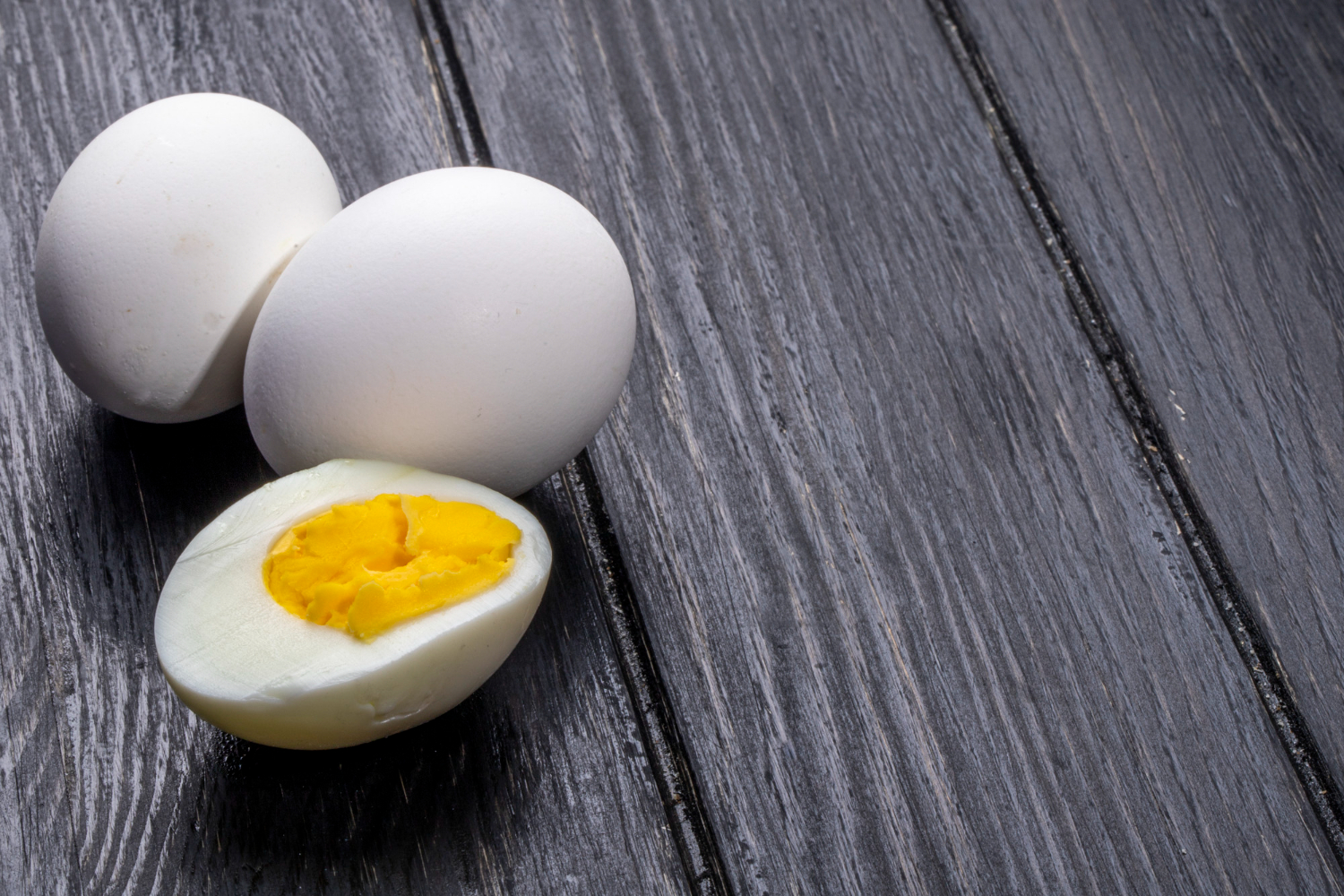
Hard-boiled eggs are simple, affordable, and useful for breakfast, snacks, salads, lunch boxes, and meal prep. The method is easy, but small details make a big difference. If the eggs cook too long, the yolks can turn dry or develop a gray-green ring. If they are not cooled quickly, they may be harder to peel.
The good news is that you do not need special equipment. With a saucepan, cold water, a timer, and an ice bath, you can make firm, easy-to-peel hard-boiled eggs again and again.
Key Takeaways
- Start eggs in cold water so they heat gradually and cook evenly.
- Once the water reaches a boil, turn off the heat, cover the pot, and let the eggs sit.
- Large eggs usually need 10–12 minutes in hot water for firm hard-boiled yolks.
- Transfer the eggs to an ice bath right away to stop cooking and make peeling easier.
- Store hard-boiled eggs in the refrigerator and eat them within 1 week.
What You Need to Make Hard-Boiled Eggs
You only need a few basic kitchen items.
| Item | Why You Need It |
| Large eggs | Most timing guides are based on large eggs |
| Saucepan | Holds the eggs in a single layer |
| Cold water | Helps the eggs heat gradually |
| Ice | Cools the eggs quickly after cooking |
| Bowl | Holds the ice bath |
| Slotted spoon or tongs | Helps move hot eggs safely |
For the most consistent results, use eggs that are similar in size. Extra-large eggs may need slightly more time, while smaller eggs may cook faster.
How to Make Hard-Boiled Eggs Step by Step
This method starts the eggs in cold water, brings the water to a boil, then finishes the eggs in the covered pot. It is reliable, beginner-friendly, and easy to repeat.
Step 1: Place the Eggs in a Pot
Place the eggs in a single layer at the bottom of a saucepan. Avoid stacking them because stacked eggs can bump into each other and crack while the water heats.
Step 2: Cover the Eggs with Cold Water
Add enough cold water to cover the eggs by about 1 inch. Starting with cold water helps the eggs warm gradually, which can reduce cracking and promote even cooking.
Step 3: Bring the Water to a Boil
Place the saucepan on the stove over medium-high or high heat. Bring the water to a full boil.
Stay nearby so you can turn off the heat as soon as the water reaches a boil.
Step 4: Turn Off the Heat and Cover the Pot
As soon as the water boils, turn off the heat and cover the pot with a lid. Let the eggs sit in the hot water.
For large hard-boiled eggs, 10–12 minutes is usually the best range. Use 10 minutes for a firm but slightly creamier yolk, or 12 minutes for a fully set yolk.
If you use an electric stovetop, move the pot off the hot burner after turning off the heat. Electric burners can stay hot and may continue cooking the eggs too aggressively.
Step 5: Transfer the Eggs to an Ice Bath
When the timer ends, use a slotted spoon or tongs to move the eggs into a bowl of ice water. Let them sit for 10–15 minutes.
This step stops the cooking process quickly. It also helps the egg pull away from the shell, which can make peeling easier.
Step 6: Peel or Store the Eggs
Once the eggs are cool, you can peel and eat them right away or store them in the refrigerator.
If you are meal-prepping, it is usually best to store hard-boiled eggs in their shells. The shell helps protect the egg and keeps it from drying out.
Hard-Boiled Egg Cooking Time Chart
The best cooking time depends on how firm you want the yolk. This chart is based on large eggs using the method above: bring the water to a boil, turn off the heat, cover the pot, and let the eggs sit.
| Egg Result | Time in Hot Water | Best For |
| Mostly set with a slightly soft center | 8–9 minutes | Toast, ramen, quick snacks |
| Firm but creamy yolk | 10 minutes | Breakfast, salads, meal prep |
| Fully hard-boiled yolk | 11–12 minutes | Deviled eggs, egg salad, lunch boxes |
| Very firm yolk | 13 minutes | People who prefer a drier yolk |
Cooking time can vary depending on egg size, pot size, stove type, water amount, and altitude. If your eggs are not firm enough, add 1 minute next time. If the yolks are dry or green around the edges, reduce the time slightly.
How to Make Hard-Boiled Eggs Easy to Peel
Hard-boiled eggs can be frustrating when the shell sticks to the white. These tips can help:
- Use eggs that are a few days old rather than extremely fresh eggs. Very fresh eggs are often harder to peel.
- Move the eggs into an ice bath immediately after cooking.
- After cooling, tap the egg gently on the counter until the shell cracks all over.
- Start peeling from the wider end of the egg, where there is usually an air pocket.
- If the shell still sticks, peel the egg under a thin stream of running water.
The ice bath is one of the most important steps. It cools the egg quickly and often makes peeling much easier.
Why Do Hard-Boiled Egg Yolks Turn Green?
A gray-green ring around the yolk usually means the egg was overcooked or cooled too slowly. It can look unappetizing, but it is generally a quality issue, not a sign that the egg is unsafe.
To prevent green yolks:
- Do not boil the eggs continuously for a long time.
- Use the covered-pot method instead of letting the eggs roll in boiling water.
- Transfer the eggs to an ice bath as soon as the timer ends.
- Do not leave cooked eggs sitting in hot water.
The goal is to cook the yolk fully without exposing it to heat for longer than necessary.
Common Hard-Boiled Egg Problems and Fixes
| Problem | Likely Cause | How to Fix It |
| Shell sticks to the egg | Eggs are very fresh or not chilled enough | Use slightly older eggs and cool them in an ice bath |
| Yolk has a green ring | Eggs were overcooked or cooled too slowly | Shorten the cooking time and chill eggs immediately |
| Egg white is rubbery | Eggs cooked for too long | Use 10–12 minutes instead of longer cooking |
| Eggs crack in the pot | Eggs bumped around or heated too aggressively | Keep eggs in a single layer and avoid a violent boil |
| Yolk is not fully cooked | Eggs were large, cold, or removed too soon | Add 1–2 minutes next time |
| Eggs smell too strong | Eggs were overcooked or stored too long | Cook for less time and use refrigerated eggs within 1 week |
Should You Start Eggs in Cold Water or Boiling Water?
For most beginners, starting eggs in cold water is the easiest method. It warms the eggs gradually and lowers the chance of cracking.
Some cooks prefer adding eggs directly to boiling water because it may help with peeling. However, that method requires more careful handling because cold eggs can crack when they hit hot water.
For the most reliable everyday method, start with cold water, bring it to a boil, turn off the heat, cover the pot, and use an ice bath.
How to Store Hard-Boiled Eggs Safely
Hard-boiled eggs should be cooled and refrigerated promptly. The FDA and USDA recommend eating hard-cooked eggs within 1 week, whether they are peeled or still in the shell.
For best results:
- Refrigerate hard-boiled eggs within 2 hours of cooking.
- Store them in a covered container.
- Keep peeled eggs in an airtight container so they do not dry out.
- Label the container with the cooking date if you are meal-prepping.
- Throw away eggs that smell unusual, feel slimy, or have been left at room temperature for more than 2 hours.
If you are preparing eggs for a party, picnic, or lunch box, keep them cold until serving.
Can You Freeze Hard-Boiled Eggs?
Freezing whole hard-boiled eggs is not recommended. The whites become watery, rubbery, and unpleasant after thawing.
If you need to store eggs longer, it is better to cook a smaller batch more often. Hard-boiled eggs are quick to make, and the texture is much better when they are fresh from the refrigerator.
How to Use Hard-Boiled Eggs
Hard-boiled eggs are useful for breakfast, snacks, and meal prep. You can eat them plain with salt and pepper or add them to simple meals.
Good ways to use hard-boiled eggs include:
- Egg salad
- Deviled eggs
- Cobb salad
- Potato salad
- Lunch boxes
- Sliced toast
- Grain bowls
- Protein snack plates
If you are making eggs for a recipe, chill them fully before slicing. Cold eggs usually cut more neatly than warm eggs.
Simple Hard-Boiled Eggs Recipe
| Recipe Detail | Amount |
| Prep time | 5 minutes |
| Hot-water resting time | 10–12 minutes |
| Cooling time | 10–15 minutes |
| Total time | About 25–32 minutes |
| Main ingredient | Large eggs |
Ingredients
- Large eggs
- Cold water
- Ice
Instructions
- Place the eggs in a single layer in a saucepan.
- Cover the eggs with cold water by about 1 inch.
- Bring the water to a boil over medium-high or high heat.
- Turn off the heat, cover the pot, and let the eggs sit for 10–12 minutes.
- Transfer the eggs to an ice bath for 10–15 minutes.
- Peel and serve, or refrigerate for later.
Extra Tips for Better Results
Use a timer every time. Guessing often leads to overcooked eggs.
Do not skip the ice bath. This is one of the easiest ways to improve texture and peeling.
Cook eggs in a single layer. If you need a large batch, use a wider pot or cook in two batches.
Use the same pot and burner when possible. Once you find your ideal timing, repeating the same setup helps you get consistent results.
FAQ About Making Hard-Boiled Eggs
Can I make hard-boiled eggs without an ice bath?
Yes, but the results may not be as good. An ice bath stops the cooking quickly and usually makes the eggs easier to peel. If you do not have ice, place the eggs in the coldest tap water available and change the water once it warms up.
Do older eggs really peel better?
Usually, yes. Eggs that are a few days old often peel more easily than very fresh eggs. Very fresh eggs tend to cling more tightly to the shell membrane, which can make peeling messier.
Why did my eggs crack while boiling?
Eggs can crack if they bump around in a rolling boil, are stacked in the pot, or go through a sudden temperature change. Keep them in a single layer and avoid boiling them aggressively.
Can I make hard-boiled eggs ahead for meal prep?
Yes. Hard-boiled eggs are a good meal-prep food because they store well in the refrigerator. For best texture, keep them unpeeled until you are ready to eat them.
How do I know if a hard-boiled egg has gone bad?
Throw it away if it smells unusual, feels slimy, has an odd texture, or has been left at room temperature too long. When in doubt, it is safer not to eat it.
Can I use this method for extra-large eggs?
Yes, but extra-large eggs may need about 1 extra minute. Start with the timing chart, then adjust based on your stove, pot, and preferred yolk texture.