Key Takeaways
- No food, supplement, exercise, sexual activity, or other home remedy has been proven to make a period start immediately.
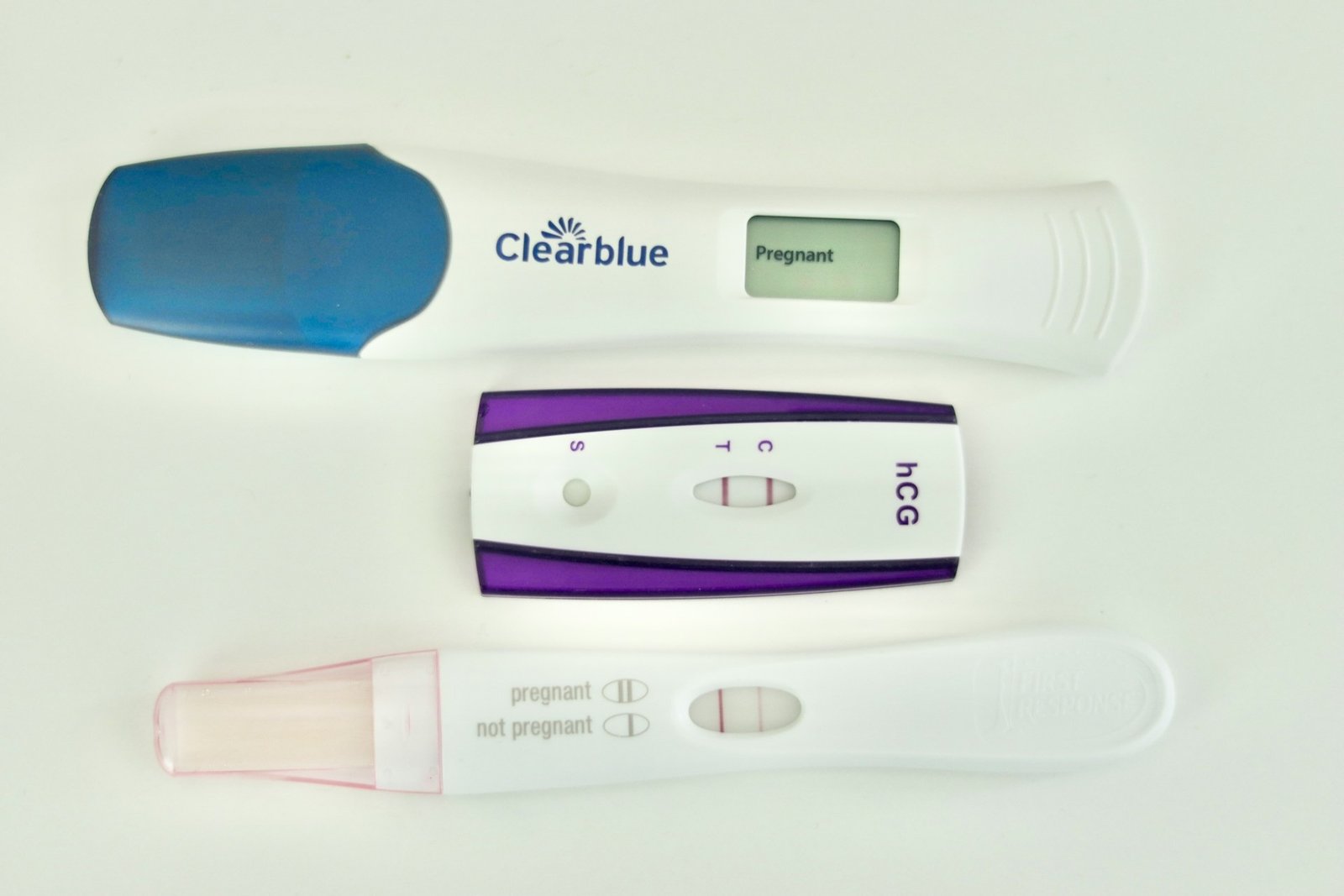
- Take a pregnancy test first when pregnancy is possible. Most tests can be used from the first day of a missed period.
- Stress management, adequate nutrition, and reducing excessive exercise may help when one of these factors is disrupting the menstrual cycle.
- Avoid high-dose vitamins, concentrated herbal products, and remedies advertised as guaranteed ways to start a period.
- A clinician may prescribe hormonal medication after evaluating the cause, but the resulting withdrawal bleeding is not necessarily the same as a natural menstrual period.
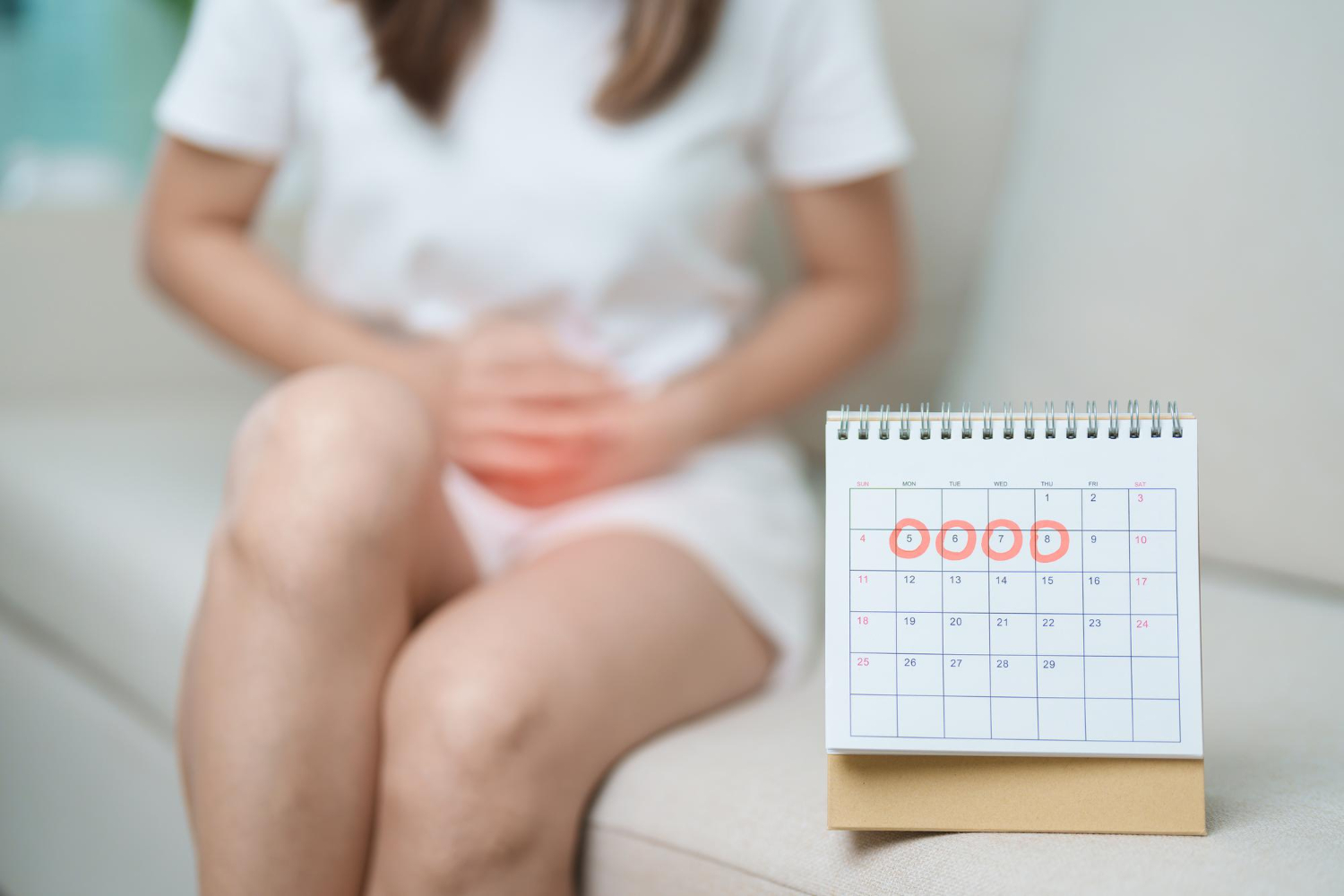
A late period can be stressful, particularly when you want it to start before a trip or important event. However, there is no medically proven home method that can reliably induce a period immediately.
The safest next step is to rule out pregnancy and consider why the period may be late. Treatment, when needed, depends on the underlying cause rather than on finding a quick way to trigger bleeding.
Can You Safely Induce a Period at Home?
You generally cannot make a period begin on demand with food, exercise, sex, vitamins, warm baths, or herbal remedies. A late period may start naturally, but its timing depends on what has delayed ovulation or affected the menstrual cycle.
Common reasons for a late or missed period include:
- Pregnancy
- Significant stress
- Recent illness
- Rapid weight loss or gain
- Inadequate food or energy intake
- Intense or excessive exercise
- Hormonal contraception
- Breastfeeding
- Polycystic ovary syndrome
- Thyroid or other hormonal conditions
- Perimenopause
Low body weight, rapid weight loss, stress, thyroid disorders, PCOS, chronic illness, and some medications are recognized causes of absent periods.
Take a Pregnancy Test First
Take a home pregnancy test when you have had sex that could result in pregnancy. Most tests can be used from the first day of a missed period. If you do not know when your period was due, test at least 21 days after the last time you had unprotected sex.
Follow the test instructions carefully. If the result is negative but your period still does not start, wait a few days and test again. Contact a healthcare professional if a second test is negative and your period has still not arrived.
Birth-control hormones do not prevent a pregnancy test from working. Testing may still be appropriate because no contraceptive method is completely effective.
If the result is positive, do not use herbs, supplements, or unknown products to try to cause bleeding. Contact a qualified healthcare professional or reproductive-health service for accurate and confidential information about your options.
Bleeding by itself does not confirm that a pregnancy has ended safely.
Know the Warning Signs of an Ectopic Pregnancy
An ectopic pregnancy occurs when a pregnancy develops outside the uterus. It can become life-threatening if it ruptures.
Seek urgent medical care when pregnancy is possible and you experience:
- Severe or worsening pain on one side of the lower abdomen or pelvis
- Shoulder-tip pain
- Dizziness or fainting
- Sudden, sharp, or intense abdominal pain
- Pain accompanied by vaginal bleeding
Sudden severe pain, dizziness, or fainting can be signs of a ruptured ectopic pregnancy and require emergency care.
What May Help When a Period Is Late?
Lifestyle changes cannot guarantee that a period will start. They may help the menstrual cycle recover when stress, inadequate nutrition, weight changes, or excessive exercise are contributing to the delay.
Helpful steps may include:
- Eating regular, adequately sized meals
- Getting consistent sleep
- Reducing unusually intense exercise
- Allowing enough recovery time between workouts
- Using practical stress-management techniques
- Seeking help for restrictive eating or compulsive exercise
These measures support normal hormonal function over time. They are not reliable methods for making a period start within a certain number of hours or before a specific event.
When the delay is caused by pregnancy, PCOS, thyroid disease, medication, perimenopause, or another medical condition, lifestyle changes alone may not correct it.
Home Remedies and Supplements to Avoid
Online recommendations commonly include vitamin C, pineapple, ginger, parsley, dong quai, black cohosh, heating pads, and exercise. Reliable clinical evidence does not show that these methods can safely start menstruation on demand.
| Suggested method | What to know |
| Pineapple, ginger, or other foods | These foods can be eaten as part of a normal diet, but they have not been proven to induce a period. |
| High-dose vitamin C | Vitamin C has not been shown to start menstruation. Excessive amounts can cause diarrhea, nausea, and abdominal cramps. |
| Parsley, dong quai, black cohosh, or other herbal products | Their effectiveness is unproven. Concentrated products may cause side effects, interact with medication, or be unsafe during pregnancy. |
| Heating pads, warm baths, or gentle exercise | These may support relaxation or relieve cramps, but they cannot reliably trigger menstruation. |
| Sex or orgasm | These may occasionally be followed by spotting, especially when bleeding was already about to begin, but they do not reliably induce a period. |
| Hormonal pills borrowed from another person | Hormonal medication has contraindications and should be used only after medical evaluation and with an appropriate prescription. |
In the United States, the FDA does not approve dietary supplements for safety and effectiveness before they are marketed. Supplements may also interact with prescription and over-the-counter medicines.
Black cohosh, for example, does not have enough reliable evidence to support most promoted uses. It may interact with medicines, may not be safe during pregnancy, and has been associated with rare reports of liver injury.
How Clinicians May Cause Withdrawal Bleeding
Medical treatment depends on why the period is late. A clinician may ask about:
- Recent menstrual cycles
- Pregnancy possibility
- Contraception
- Medications and supplements
- Eating and exercise patterns
- Stress
- Weight changes
- Symptoms such as acne, excess hair growth, headaches, or hot flashes
The evaluation may include a pregnancy test, blood tests, a physical examination, or an ultrasound.
In some situations, a clinician may prescribe progesterone or another progestin. Bleeding may occur after the medication is stopped because hormone levels fall. This is called withdrawal bleeding.
Withdrawal bleeding is not necessarily the same as a natural period. It does not always mean that ovulation has resumed or that the underlying cause of the missed period has been corrected.
Treatment may instead focus on an underlying condition such as PCOS, thyroid disease, inadequate nutrition, excessive exercise, or a medication-related hormonal change. Current guidance emphasizes evaluating the cause of amenorrhea rather than simply producing one episode of bleeding.
When Should You See a Healthcare Professional?
Arrange a routine medical appointment if:
- You have had no period for more than three months without an explanation
- Your periods have become persistently irregular
- Repeated pregnancy tests are negative but your period has not returned
- You have experienced a major weight change
- You have new excess facial or body hair or severe acne
- You have persistent fatigue or other symptoms of a possible thyroid condition
- You are concerned about restrictive eating or excessive exercise
- Your menstrual pattern has changed significantly
ACOG recommends evaluation when periods stop for more than three months without explanation.
Seek care sooner for severe pelvic pain, fainting, very heavy bleeding, bleeding after sex that continues or recurs, or pain and bleeding when pregnancy is possible.
Frequently Asked Questions
Can a period be late even if a pregnancy test is negative?
Yes. A period can be late because of stress, illness, travel, weight changes, intense exercise, hormonal contraception, PCOS, thyroid problems, or other hormonal changes. A pregnancy test may also be negative if it is taken too early. Repeat the test after a few days if pregnancy is still possible and your period has not started.
Is spotting the same as a period?
Not always. Spotting is usually lighter than a normal period and may appear as a few drops of pink, red, or brown blood. It can occur because of hormonal changes, contraception, ovulation, irritation after sex, or early pregnancy. Seek medical advice if spotting is persistent, happens repeatedly after sex, or occurs with pain.
Can travel or a change in routine delay a period?
Yes. Travel can affect sleep, stress levels, eating habits, and exercise patterns, which may temporarily disrupt the menstrual cycle. A short delay is often not a concern, but repeated or prolonged changes should be discussed with a healthcare professional.
Can stopping hormonal birth control make periods irregular?
Yes. After stopping hormonal birth control, it may take time for the natural menstrual cycle to become predictable again. The timing varies depending on the method used and the individual. Pregnancy may be possible before the first natural period returns, so contraception is still important if pregnancy is not desired.
How long can stress delay a period?
There is no exact number of days because stress affects people differently. Mild or short-term stress may cause only a small change, while severe or ongoing stress can lead to longer delays or missed periods. Contact a healthcare professional if your periods remain irregular or stop for more than three months.
What should I track before seeing a healthcare professional?
Record the dates and length of recent periods, pregnancy-test results, contraception, medications, supplements, recent illnesses, stress, changes in weight, eating patterns, exercise levels, and any symptoms such as pelvic pain, acne, excess hair growth, headaches, or hot flashes. This information can help identify the possible cause of the delay.
Sources
NHS – Doing a pregnancy test https://www.nhs.uk/pregnancy/trying-for-a-baby/doing-a-pregnancy-test/
American College of Obstetricians and Gynecologists – Amenorrhea: Absence of periods https://www.acog.org/womens-health/faqs/amenorrhea-absence-of-periods
NHS – Ectopic pregnancy symptoms https://www.nhs.uk/conditions/ectopic-pregnancy/symptoms/
U.S. Food and Drug Administration – Information for consumers on using dietary supplements https://www.fda.gov/food/dietary-supplements/information-consumers-using-dietary-supplements