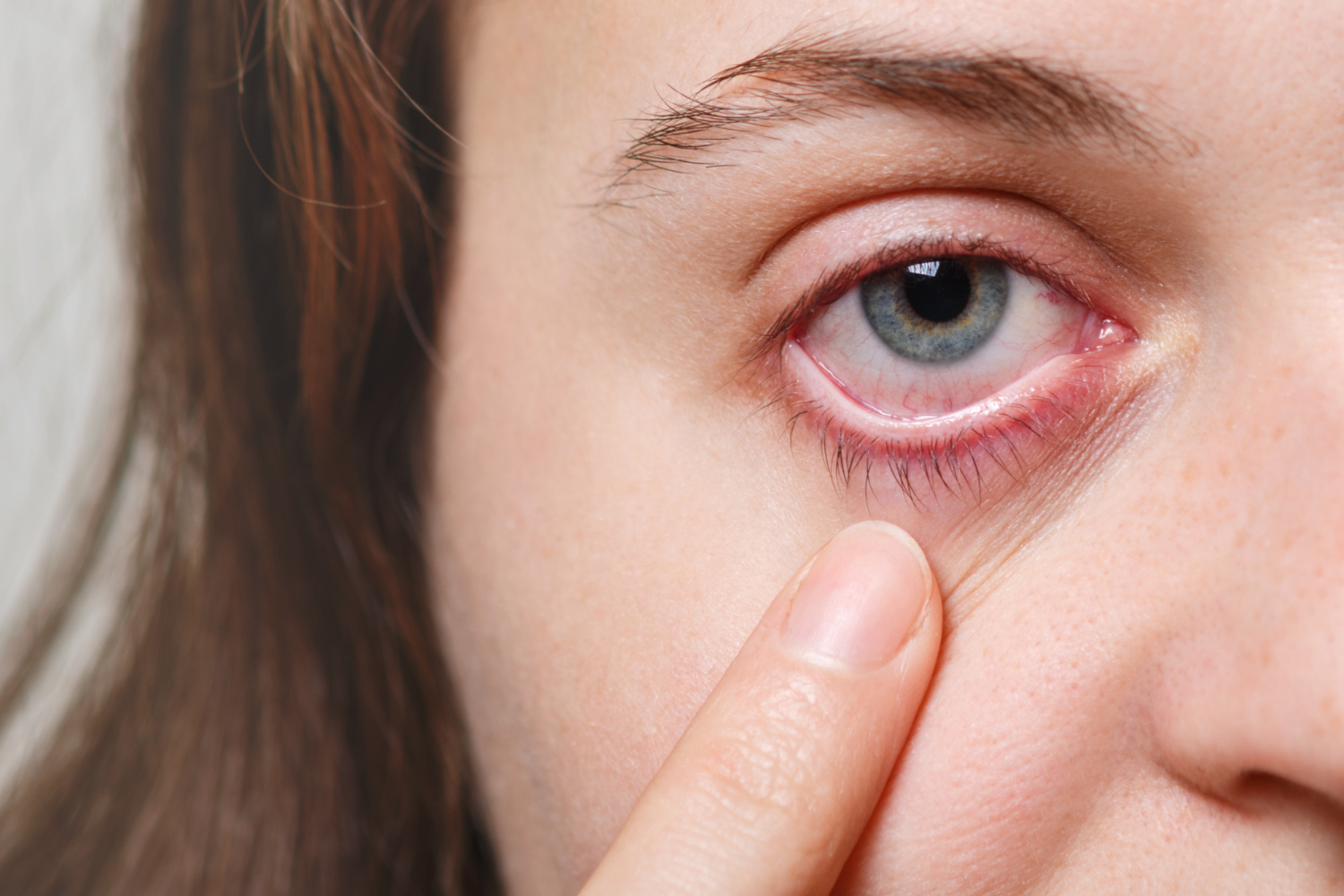
A stye is a small, painful lump that forms on or inside an eyelid. It often looks like a pimple near the eyelashes and may cause redness, tenderness, swelling, watering, or crusting.
Most styes are harmless and clear without medical treatment. The safest way to support healing is to apply a warm compress, keep the eyelid clean, and avoid squeezing or irritating the lump. There is no proven treatment that can make a stye disappear instantly or overnight.
Key Takeaways
- Apply a clean, comfortably warm compress for about 10 minutes, three to four times a day.
- Most styes begin improving within a few days and clear within one to two weeks.
- Never squeeze, pop, cut, or pierce a stye.
- Avoid eye makeup and contact lenses until the eyelid has healed.
- Seek medical care for vision changes, spreading swelling, worsening pain, or a stye that does not improve.
What Is a Stye?
A stye, medically known as a hordeolum, develops when an eyelash follicle or one of the eyelid’s small oil glands becomes inflamed and usually infected with bacteria.
An external stye appears near the eyelash line. An internal stye forms inside the eyelid and may cause more generalized tenderness or swelling.
Common symptoms include:
- A painful red or discolored bump
- Eyelid tenderness or swelling
- Watery eyes
- Crusting around the eyelashes
- A scratchy feeling in the eye
A stye normally should not cause a lasting change in vision.
How to Treat a Stye at Home
A warm compress is the main home treatment for an uncomplicated stye. The warmth may loosen material in the blocked gland and help the stye drain naturally.
Follow these steps:
- Wash your hands with soap and water.
- Wet a clean washcloth with comfortably warm water.
- Test the temperature on the inside of your wrist. It should feel warm, not hot.
- Close your eye and gently place the washcloth over the affected eyelid.
- Hold it in place for about 10 minutes.
- Rewet the cloth as needed so it remains warm.
- Repeat three to four times during the day.
Do not press hard on the eyelid or try to push material out of the bump. Regular treatment is more helpful than using excessive pressure or heat.
Improvement may not be immediate. Many styes begin settling within a few days, but complete healing can take one to two weeks.
How to Keep the Eyelid Clean
Wash your hands before and after touching the area.
If discharge or crusting collects around the eyelashes, gently wipe it away with warm water and a clean, soft cloth. Do not scrub the eyelid, and do not allow ordinary soap, facial cleanser, or shampoo to enter the eye.
Use a fresh washcloth for each treatment or wash the cloth thoroughly before reusing it.
If the stye opens and drains on its own, gently wipe away the fluid. Do not squeeze the bump to force out additional material.
What Not to Do
Do not squeeze, pop, cut, pierce, or press directly on a stye. Although it may resemble a pimple, attempting to drain it can injure the eyelid or spread the infection.
Until the eyelid has healed, avoid:
- Mascara, eyeliner, false eyelashes, and other eye makeup
- Contact lenses
- Very hot compresses
- Leftover or borrowed prescription eye drops
- Toothpaste, essential oils, garlic, vinegar, or other home remedies near the eye
A warm tea bag has not been shown to work better than a clean washcloth. Tea may also leave residue or expose the eye to irritating plant ingredients.
Can You Get Rid of a Stye Overnight?
There is no safe treatment that can reliably remove a stye overnight.
A warm compress may reduce discomfort and encourage natural drainage, but the lump usually needs several days to improve. Avoid products that promise an instant cure. Strong chemicals, excessive heat, and attempts to pop the stye can make irritation or infection worse.
Can You Wear Makeup or Contact Lenses?
Do not use eye makeup while the stye is active. Makeup can irritate the eyelid, block its oil glands, or become contaminated.
Discard old or expired eye cosmetics. Consider replacing mascara or liquid eyeliner used during the active infection, particularly if the applicator touched the affected eyelid.
Wear glasses instead of contact lenses until the eyelid has fully healed. Contact lenses can increase irritation and may become contaminated. Ask your optometrist or ophthalmologist whether reusable lenses or the storage case should be replaced.
Is It a Stye or a Chalazion?
A stye and a chalazion can both cause an eyelid lump, but they are not exactly the same.
| Sign | Sign | Chalazion |
| Pain | Usually painful or tender | Often painless after the initial swelling |
| Location | Commonly near an eyelash or inside the eyelid | Usually deeper within the eyelid |
| Appearance | Red or swollen bump that may contain pus | Firm, rounded lump |
| Typical cause | Infection and inflammation of an eyelash follicle or eyelid gland | Blocked oil gland |
| Initial care | Warm compresses | Warm compresses |
| Medical review | Needed if worsening, persistent, or recurrent | Needed if persistent, growing, or affecting vision |
A stye may sometimes leave behind a painless chalazion after the infection and tenderness have settled.
Several eyelid conditions can look similar. Seek professional advice if you are unsure what the lump is or if it repeatedly develops in the same location.
When Should You See a Doctor?
Contact a doctor, optometrist, or ophthalmologist if:
- The stye is not beginning to improve after two to three days of regular home care.
- It has not cleared after one to two weeks.
- The lump continues to grow.
- Styes repeatedly return.
- The bump keeps developing in the same location.
- You are uncertain whether it is a stye.
Seek prompt medical care if:
- You notice blurred vision or another change in vision.
- The eyelid swells shut.
- Redness or swelling spreads across the eyelid, into the cheek, or elsewhere on the face.
- Pain or swelling becomes significantly worse.
- The eyelid becomes increasingly hot.
- Blisters develop on or near the eyelid.
- Blood or a large amount of pus drains from the area.
- You develop fever or feel generally unwell.
A persistent or worsening stye may need prescription treatment or drainage by a qualified healthcare professional. Antibiotics are not necessary for every stye and should be used only when prescribed.
Never attempt to drain a persistent stye yourself.
How to Prevent Another Stye
Good eyelid and hand hygiene may reduce the chance of another stye.
- Wash your hands before touching your eyes or handling contact lenses.
- Remove all eye makeup before going to sleep.
- Replace old or expired cosmetics.
- Do not share eye makeup, towels, or washcloths.
- Follow the recommended cleaning and replacement schedule for contact lenses and storage cases.
- Follow your eye care professional’s eyelid-cleaning instructions if you have blepharitis.
Recurring styes may be associated with blepharitis, rosacea, or poorly functioning eyelid oil glands. An eye care professional can check for an underlying condition and recommend an appropriate eyelid-care routine.
Frequently Asked Questions
Is a stye contagious?
A stye is not generally considered contagious. However, bacteria can be transferred on unwashed hands, cosmetics, towels, pillowcases, or other personal items. Wash your hands regularly and avoid sharing items that touch the face.
Can a stye spread to the other eye?
A stye does not usually spread directly from one eye to the other. However, touching both eyes without washing your hands may transfer bacteria or irritate the other eyelid.
Can a stye turn into a chalazion?
Yes. After the pain and redness improve, a painless lump may remain if the eyelid gland is still blocked. This is often a chalazion.
Is an internal stye treated differently?
Initial home care is generally the same: use a warm compress and do not squeeze the eyelid. Because an internal stye may cause more widespread swelling or pain, arrange an examination if it worsens or does not begin improving.
Can children get styes?
Yes. Children can develop styes. An adult should supervise warm-compress treatment and carefully check that the cloth is not too hot. Seek medical advice if the child develops severe swelling, fever, vision changes, or frequent recurrences.
Why should a stye that keeps returning in the same place be examined?
Repeated eyelid lumps may result from blepharitis or blocked oil glands. Less commonly, another eyelid condition may resemble a stye. A clinician should examine a lump that repeatedly develops in exactly the same location.