Key Takeaways
- Confirm the infestation by finding bed bugs or physical evidence; bites alone cannot reliably identify the cause.
- Contain exposed belongings in sealed bags and keep untreated items separate from items that have already been treated.
- Use several control methods together, including dryer heat, vacuuming, steam, mattress encasements, interceptor traps, monitoring, and carefully selected pesticides.
- Never use rubbing alcohol, kerosene, gasoline, improvised whole-room heating, or an unlabeled pesticide treatment.
- Inspect treated areas at least every seven days during active control and continue long-term monitoring after the infestation appears to be gone.
Bed bugs are difficult to eliminate because they hide in narrow cracks, travel in belongings, and can survive when treatment does not reach every hiding place. Washing the bedding once or spraying the mattress is unlikely to solve the problem.
The most effective approach is integrated pest management, or IPM. This means combining inspection, containment, physical removal, heat, monitoring, and appropriately selected pesticides rather than relying on a single product. Depending on the size and location of the infestation, treatment can take several weeks or months and may need to be repeated.
This guide was checked against current information from the U.S. Environmental Protection Agency, the Centers for Disease Control and Prevention, the National Pesticide Information Center, and University of Minnesota Extension in July 2026. Pesticide approvals, housing rules, and professional licensing requirements vary by location.
Step 1: Confirm That You Have Bed Bugs
Do not diagnose a bed bug infestation from bites alone. Bed bug bites can resemble mosquito or flea bites, hives, eczema, and other skin conditions. Some people develop itchy marks, while others show little or no visible reaction. Physical evidence is more reliable.
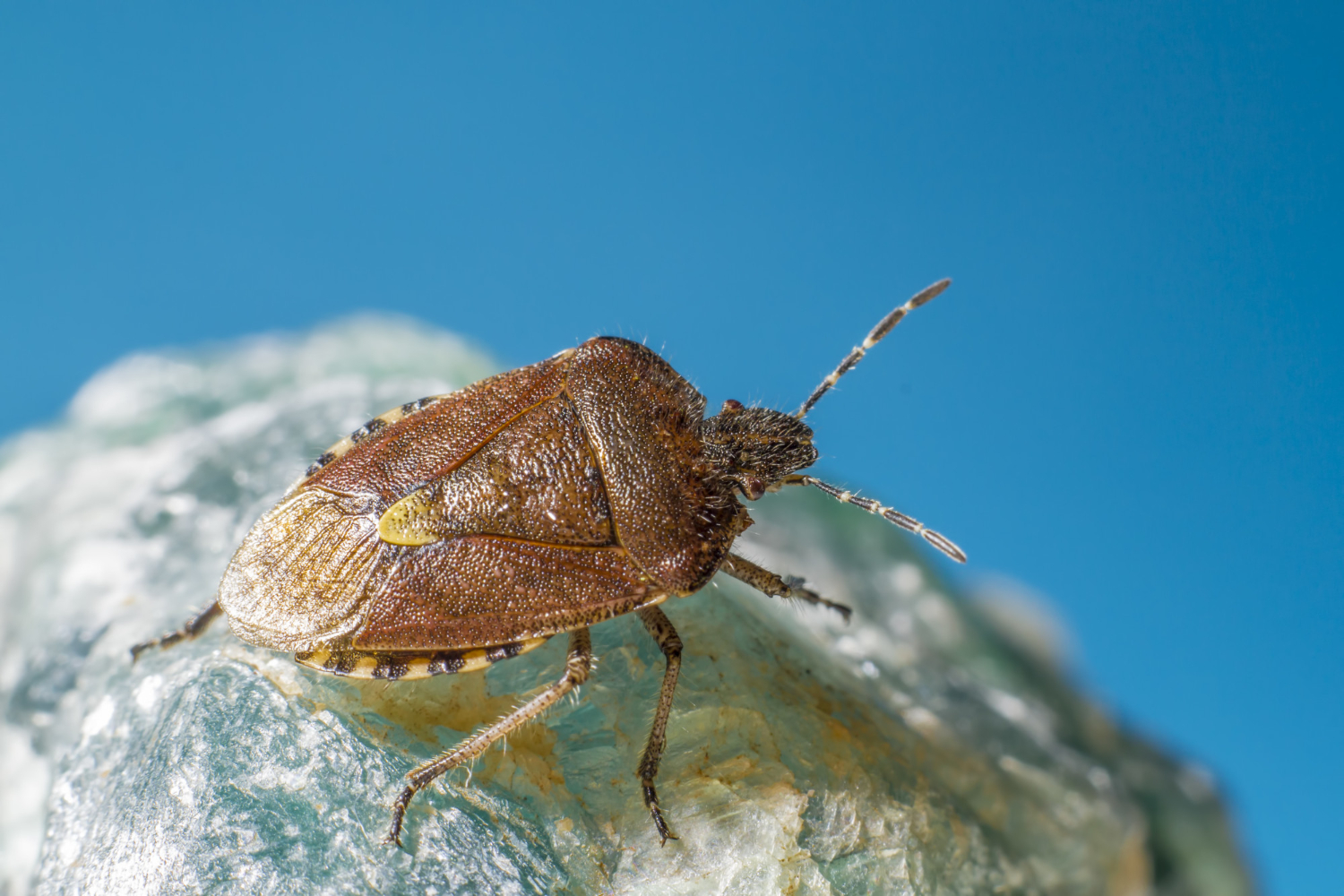
Adult bed bugs are small, flat, wingless insects with reddish-brown bodies. Begin your inspection in places where people regularly sleep or rest:
- Mattress seams, piping, labels, buttons, and folds
- Box springs and bed-frame joints
- Headboards, screw holes, and nearby baseboards
- Upholstered furniture seams
- Carpet edges and cracks in floors or furniture
Look for live insects, pale eggs, shed skins, dark fecal spots, and rusty or reddish stains on bedding. Bed bugs may also hide behind loose wallpaper, inside drawer joints, under picture frames, and behind switch or outlet covers.
Do not insert tools into an electrical outlet or open energized electrical components. Switch off the electricity when appropriate or ask a qualified person to inspect these areas safely.
If you find a suspicious insect, place it in a sealed transparent container or bag. A licensed pest management professional, entomologist, local health department, or extension service may be able to identify it. Correct identification can prevent unnecessary pesticide use and the cost of treating the wrong pest.
Step 2: Contain the Infestation
Avoid carrying untreated belongings into rooms where no bed bugs have been found. Moving loose possessions can spread insects and make monitoring more difficult.
Place exposed clothing, bedding, curtains, soft toys, and other washable textiles in sealed plastic bags before carrying them through the home. Keep items that are waiting for treatment separate from items that have already been treated.
Store treated belongings in new sealed bags or lidded containers until monitoring shows that the infestation has been controlled. EPA guidance recommends keeping belongings from an infested area in the same room until they can be inspected or treated.
Do not immediately start sleeping in another bedroom or on the sofa unless a pest professional recommends it. Changing sleeping areas and moving belongings can complicate containment.
Avoid throwing away the mattress, bed, or sofa without first asking whether it can be treated. Many infested items can be vacuumed, steamed, professionally treated, or enclosed in a purpose-made encasement.
When an item cannot be treated safely:
- Wrap it securely before moving it.
- Mark it clearly as infested with bed bugs.
- Damage or dismantle it so that another person will not take it home.
- Follow local disposal requirements.
Step 3: Notify the Property Manager in a Shared Building
If you live in an apartment, dormitory, care facility, or other multi-unit building, notify the landlord or property manager promptly. Bed bugs can move between units, and nearby apartments may also require inspection.
EPA guidance recommends inspecting units near the confirmed infestation. Responsibility for inspection, treatment, and payment varies according to local laws, housing rules, and lease terms, so keep written records and check the requirements in your area.
Step 4: Choose More Than One Treatment Method
No single household method is suitable for every object and hiding place. A dryer can treat clothing but not a bed frame. Vacuuming removes exposed insects but may miss bugs deep inside furniture. Steam kills bugs it reaches but does not leave lasting protection.
Combining methods improves the chance of reaching bed bugs and eggs in different locations.
| Treatment method | Best used for | Main limitation or safety point |
| Dryer heat | Dryer-safe clothing, bedding, curtains, soft toys, and similar items | Use high heat only when the item can safely tolerate it; do not overfill the dryer |
| Vacuuming | Visible insects, mattress seams, furniture joints, baseboards, and carpet edges | Does not reliably reach deeply hidden bugs |
| Steam | Upholstery seams, bed frames, carpet edges, baseboards, and accessible cracks | Excess airflow can scatter insects; heat and moisture may damage materials |
| Encasements and interceptors | Isolating beds and monitoring activity | Helpful but rarely sufficient by themselves |
| Registered pesticides | Label-approved cracks, crevices, and surfaces | Incorrect products or applications can be ineffective or hazardous |
| Professional treatment | Persistent, multi-room, severe, or multi-unit infestations | Costs more but usually provides more complete inspection and follow-up |
Step 5: Vacuum the Infested Area Carefully
Vacuuming can quickly remove exposed bed bugs, shed skins, and some eggs. Attach a crevice tool and work slowly over mattress seams, box spring edges, bed-frame joints, headboards, furniture seams, baseboards, and carpet edges.
Vacuuming alone is unlikely to eliminate an infestation. Bugs hidden deep inside cracks, walls, or furniture may remain untouched.
After vacuuming:
- Remove the vacuum bag immediately.
- Seal it inside a plastic bag.
- Place it in an outdoor trash container.
For a bagless vacuum, empty the contents into a sealable bag outdoors. Clean the removable container according to the manufacturer’s instructions.
Repeat vacuuming whenever inspections reveal new insects, eggs, shed skins, or fecal spotting.
Step 6: Treat Dryer-Safe Items With Heat
A household clothes dryer is one of the most useful ways to treat suitable clothing, bedding, curtains, soft toys, and other fabric items.
Sort the items in the infested room and seal each load in a bag. Carry the sealed bag directly to the dryer and avoid placing the contents on the floor or on communal laundry surfaces.
For items that can safely tolerate the treatment, EPA guidance recommends a household dryer on high heat for 30 minutes. Do not pack the dryer tightly because heated air must circulate around the items. Washing alone might not kill every bed bug or egg.
Always check the care label first. Do not place a delicate or dry-clean-only item in a hot dryer unless its instructions permit it. Keep unsuitable items sealed and notify the dry cleaner about the possible bed bug exposure before taking them in.
After drying, transfer treated items directly into new sealed bags or lidded containers. Keep them protected until the infestation has been controlled.
Step 7: Isolate and Protect the Bed
Move the bed several inches away from walls, bedside tables, curtains, and other furniture. Keep blankets, sheets, charging cables, and bed skirts from touching the floor.
Place a purpose-made bed bug interceptor beneath every bed leg. Interceptors can capture insects attempting to climb onto or leave the bed and provide evidence of continuing activity.
Cover the mattress and box spring with high-quality encasements specifically designed for bed bugs. A suitable encasement traps bugs already inside and creates a smoother surface that is easier to inspect.
Check the encasement regularly for holes and make sure the zipper remains fully closed. University of Minnesota Extension recommends leaving encasements in place for at least one year. You can continue using the bed as long as the encasement is intact.
Encasements and interceptors do not kill bugs hiding elsewhere in the room. They must be combined with inspection and other control methods.
Step 8: Use Steam on Suitable Surfaces
Steam can kill bed bugs and eggs when the heat reaches them directly. It may be useful along upholstery seams, bed-frame joints, carpet edges, baseboards, and accessible cracks.
The EPA states that the steam temperature should be at least 130°F, or approximately 54°C. The machine should not produce such forceful airflow that it blows insects away from the treatment area. A diffuser or wide attachment can help reduce airflow.
Move the steamer slowly enough to heat the material without soaking it. Test an inconspicuous area first because heat and moisture can damage wood finishes, fabrics, adhesives, electronics, laminate materials, and delicate surfaces.
Do not attempt to heat an entire room using a domestic steamer, fireplace, thermostat, space heater, or propane heater. These methods may fail to heat hidden areas sufficiently and can create serious fire and carbon monoxide hazards. Professional heat treatments use specialized heaters, airflow equipment, and temperature sensors throughout the treated space.
Step 9: Reduce Clutter and Seal Hiding Places
Clutter does not cause bed bugs, but it provides additional hiding places and makes inspection and treatment more difficult. Carefully remove unnecessary cardboard, trash, and unused objects without carrying loose items into clean rooms.
Inspect each possession and decide whether it can be:
- Treated with dryer heat
- Vacuumed or steamed
- Frozen under controlled conditions
- Stored in a sealed container
- Professionally treated
- Safely discarded
Current EPA DIY guidance says that suitable small items may be placed in a sealed bag in a freezer maintained at 0°F (-18°C) for three days. Use a freezer thermometer because many refrigerator freezer compartments do not maintain a sufficiently low temperature. Freezing is not suitable for every object, and large or densely packed items may not cool evenly.
Items that cannot be treated may need to remain in a sealed bag or container for up to a year. Because sealing alone is slow, use an active treatment method whenever one is safe for the item.
After inspection and treatment, seal suitable cracks around baseboards, trim, furniture joints, and wall openings.
Keep a written record of:
- The date of each inspection or treatment
- The room and exact location
- The evidence found
- The method used
- The number of insects found in interceptors
A treatment record makes it easier to identify persistent problem areas and determine whether activity is declining. The EPA recommends maintaining records throughout the control process.
Step 10: Use Bed Bug Pesticides Safely
Pesticides may be part of the treatment plan, but they should not replace inspection, vacuuming, heat, containment, and monitoring. Some bed bug populations have developed resistance to commonly used insecticides, and pesticides may not reach insects hidden deep inside cracks.
In the United States, use only an EPA-registered pesticide that lists bed bugs on the label. In other countries, use a product authorized by the appropriate national regulator.
Before applying the product, confirm that the label permits its use:
- Against bed bugs
- Indoors
- On the intended surface
- At the stated amount and frequency
Follow all instructions concerning protective equipment, ventilation, drying time, re-entry, children, pets, storage, and disposal. Applying more product than the label permits will not necessarily improve control and can increase exposure.
Never apply a bed bug pesticide to your skin. Do not spray mattresses, bedding, toys, clothing, pet bedding, or seating surfaces unless the label specifically authorizes that use.
EPA-registered desiccant dusts may be useful in certain protected cracks and voids. Do not substitute food-grade or pool-grade diatomaceous earth. These products are not labeled with pest-control directions and can create an inhalation hazard.
Step 11: Avoid Dangerous or Ineffective Treatments
Do not apply rubbing alcohol, kerosene, or gasoline to mattresses, floors, or furniture. These substances are flammable, can expose residents to harmful fumes, and are not reliable whole-infestation treatments. The EPA reports that rubbing alcohol used for bed bug control has caused house fires.
Do not assume that a homemade essential-oil or household-ingredient spray is safe or effective. Killing one exposed insect is not the same as eliminating an infestation. Products that have not been registered or authorized for bed bug treatment may not have been assessed for effectiveness, application instructions, or indoor exposure risks.
Do not rely on total-release foggers, commonly called bug bombs. Fogger pesticide settles mainly on exposed surfaces and may not enter the cracks and crevices where bed bugs hide. Improper use can also cause pesticide exposure, fire, or explosion. If a fogger is considered at all, bed bugs must be listed on the label, every safety instruction must be followed, and it must never be the only treatment method.
Do not place infested furniture outdoors and assume winter weather will kill every bug. Protected areas inside the furniture may not become cold enough for long enough.
Step 12: Monitor the Results
Inspect the treated rooms at least once every seven days during active control. Check interceptor traps, mattress encasements, bed-frame joints, furniture seams, baseboards, and previously active hiding places.
Eggs missed during the first treatment may hatch later. A new sighting does not necessarily mean that every treatment step failed, but it does mean that the plan needs to be reassessed.
Check whether:
- Untreated belongings were returned too soon.
- A nearby room or unit was overlooked.
- The dryer, freezer, or steam treatment was performed correctly.
- Pesticide directions were followed exactly.
- The encasement has developed a hole.
- Interceptors are blocked by bedding or furniture touching the wall.
Use physical evidence rather than bites alone to judge progress. Live insects, eggs, new fecal spots, shed skins, and interceptor captures are more useful indicators.
The EPA recommends checking for evidence at least every seven days during active treatment and continuing post-treatment monitoring for at least a year.
When to Hire a Pest Control Professional
Contact a qualified pest management professional when:
- Bed bugs are present in several rooms.
- The infestation is well established.
- Nearby apartments or shared areas may be involved.
- Activity continues despite correctly performed treatment.
- Residents cannot safely move furniture or operate treatment equipment.
- Pesticides would need to be applied in inaccessible or sensitive areas.
- A resident is particularly vulnerable to pesticide exposure.
University of Minnesota Extension recommends professional assistance because complete DIY control is difficult for most people.
Choose a licensed company with specific bed bug experience. Ask:
- How will you confirm the infestation?
- Which treatment methods will you use?
- Will nearby rooms or units be inspected?
- How should the home be prepared?
- How many visits are included?
- How will you monitor the results?
- What happens if activity continues?
Be cautious of a company promising that one quick spray will eliminate every infestation. Professional insecticide programs commonly require two or three visits because hidden bugs or newly hatched nymphs may survive the first treatment.
How to Prevent Bed Bugs From Returning
Inspect secondhand beds, sofas, chairs, and other upholstered furniture before bringing them indoors. Avoid taking discarded furniture from sidewalks or shared trash areas.
When staying in a hotel or other lodging:
- Inspect mattress seams and the headboard before unpacking.
- Examine the luggage rack before using it.
- Keep suitcases away from the bed.
- Store dirty clothing in a sealed bag.
After returning home, inspect the luggage and unpack washable clothing directly into laundry bags. Treat suitable items with dryer heat when exposure is suspected. Bed bugs commonly spread by hitchhiking in luggage, clothing, bedding, boxes, and furniture.
How to Treat Bed Bug Bites
Bed bugs are not known to spread diseases to people. However, their bites can cause itching, sleep disruption, anxiety, allergic reactions, and skin infections caused by scratching.
Most bites require only basic symptom care and good hygiene. Gently wash the affected skin and avoid scratching. A pharmacist or healthcare professional can advise whether an appropriate itch treatment is needed.
Seek medical care if symptoms are severe, persistent, or suggest a skin infection. Seek urgent medical attention for a suspected serious allergic reaction, particularly breathing difficulty or swelling of the face or throat.
The CDC notes that evidence for specific bed bug bite treatments is limited. More extensive reactions may require professional treatment, while secondary bacterial infections may require antibiotics prescribed by a healthcare provider.
Frequently Asked Questions
How long should mattress encasements and interceptor traps remain in place?
Keep a bed bug–proof mattress or box spring encasement installed for at least one year, provided it remains intact and fully closed. Continue using interceptors during long-term monitoring and inspect them regularly.
Can I kill bed bugs by leaving possessions in sealed bags?
Sealing prevents insects from escaping but does not kill them quickly. Bed bugs can survive for many months without feeding, so untreated belongings may need to remain sealed for up to a year. Use dryer heat, steam, controlled freezing, or professional treatment whenever the item can safely tolerate it.
Is one professional treatment usually enough?
Not always. Hidden bed bugs, newly hatched nymphs, inaccessible hiding places, and insecticide resistance can make repeat visits necessary. A professional should explain the expected number of treatments and how the results will be monitored.
What should I do if I find bed bugs in a rented home?
Notify the landlord or property manager promptly and keep copies of all messages, inspection reports, receipts, and photographs. Nearby units may require inspection. Responsibility for arranging or paying for treatment depends on local law, housing regulations, and the lease.
Can bed bugs bite pets?
Yes. Bed bugs can feed on dogs, cats, and other animals, although people are their primary hosts in most homes. Inspect pet bedding and the nearby floor, furniture, and wall edges. Never apply a household bed bug pesticide directly to an animal unless the label permits it and a veterinarian recommends it.
Should I treat rooms where no bed bugs have been found?
Inspect surrounding rooms and every area where people regularly sleep or rest. In a multi-unit building, nearby units may also require inspection. Do not apply pesticides indiscriminately; treatments should be based on inspection findings and must follow the product label.