Key Takeaways
- Common diabetes symptoms include frequent urination, unusual thirst, unexplained weight loss, fatigue, blurred vision, slow-healing wounds, and repeated infections. Symptoms alone cannot confirm diabetes.
- Prediabetes and type 2 diabetes may cause few or no noticeable symptoms, so recommended screening is important even when you feel well.
- Diabetes is diagnosed using laboratory tests such as A1C, fasting plasma glucose, an oral glucose tolerance test, or, in specific circumstances, a random plasma glucose test.
- A home glucose meter may identify a concerning reading, but it cannot diagnose diabetes. Do not rely on a smartwatch or ring that claims to measure glucose independently without piercing the skin.
- Fast or deep breathing, fruity-smelling breath, repeated vomiting, severe dehydration, confusion, seizures, or fainting may indicate a life-threatening diabetes emergency.
You cannot know for certain that you have diabetes based only on how you feel. The reliable way to find out is to have appropriate blood tests performed or ordered by a healthcare professional.
Symptoms can provide an important warning, but some people—especially those with prediabetes or type 2 diabetes—have mild symptoms or no symptoms. This guide explains how to recognize possible signs, which tests are used, and when to seek urgent medical care.
What Are the Most Common Signs of Diabetes?
Common warning signs of diabetes include:
- Urinating more often than usual
- Feeling unusually thirsty
- Feeling unusually hungry, even after eating
- Unexplained weight loss
- Persistent tiredness or weakness
- Blurred vision
- Slow-healing cuts, sores, or wounds
- Repeated urinary tract, skin, or yeast infections
- Tingling or numbness in the hands or feet
Frequent urination and intense thirst often occur together. When excess glucose builds up in the blood, the kidneys try to remove some of it through the urine. This process can cause the body to lose additional water.
High or rapidly changing glucose levels can also contribute to fatigue and temporary blurred vision. Over time, prolonged high glucose may affect nerves, circulation, immune function, and wound healing.
No single symptom proves that you have diabetes. Symptoms are more concerning when they are new, persistent, unexplained, rapidly worsening, or occurring together.
Do Type 1 and Type 2 Diabetes Feel Different?
Type 1 and type 2 diabetes can produce many of the same symptoms. One important difference is how quickly the symptoms tend to appear.
Type 1 diabetes symptoms can develop quickly and may become severe within a relatively short period. Warning signs may include intense thirst, frequent urination, unexplained weight loss, nausea, vomiting, abdominal pain, and profound tiredness. Type 1 diabetes can begin at any age, not only during childhood.
Type 2 diabetes usually develops more gradually. Mild fatigue, nighttime urination, changing vision, slow wound healing, or tingling in the feet may be overlooked. Some people have no noticeable symptoms, and the condition is found during routine blood testing.
Gestational diabetes usually causes no clear symptoms. Testing generally takes place between 24 and 28 weeks of pregnancy, although earlier testing may be recommended for people at increased risk.
Which Tests Can Diagnose Diabetes?
A clinician may use one or more laboratory blood tests. The following thresholds apply to nonpregnant individuals.
| Test | Normal | Prediabetes | Diabetes |
| A1C | Below 5.7% | 5.7%–6.4% | 6.5% or higher |
| Fasting plasma glucose | 99 mg/dL or lower, or 5.5 mmol/L or lower | 100–125 mg/dL, or 5.6–6.9 mmol/L | 126 mg/dL or higher, or 7.0 mmol/L or higher |
| Two-hour oral glucose tolerance test | 139 mg/dL or lower, or 7.7 mmol/L or lower | 140–199 mg/dL, or 7.8–11.0 mmol/L | 200 mg/dL or higher, or 11.1 mmol/L or higher |
| Random plasma glucose | Not used as a standard screening cutoff | Not used to diagnose prediabetes | 200 mg/dL or higher, or 11.1 mmol/L or higher, with classic symptoms or a hyperglycemic crisis |
The A1C test estimates average glucose over approximately the previous two to three months and does not require fasting.
A fasting plasma glucose test is performed after at least eight hours without consuming calories.
An oral glucose tolerance test, or OGTT, measures how the body handles a standardized glucose drink.
A random plasma glucose test can help diagnose diabetes when a person has classic symptoms of high blood glucose or a hyperglycemic crisis and testing should not be delayed.
Unless symptoms and glucose levels make the diagnosis unmistakable, diabetes generally requires two abnormal results. These may be the same test performed on separate occasions or two different approved tests, sometimes using the same blood sample.
A1C may be less reliable during pregnancy or in people with certain hemoglobin variants, anemia, recent blood loss or transfusion, or conditions that change red blood cell turnover. Some kidney and liver conditions may also affect its interpretation. Tell the clinician about relevant medical conditions and recent transfusions or blood loss.
Can You Check for Diabetes at Home?
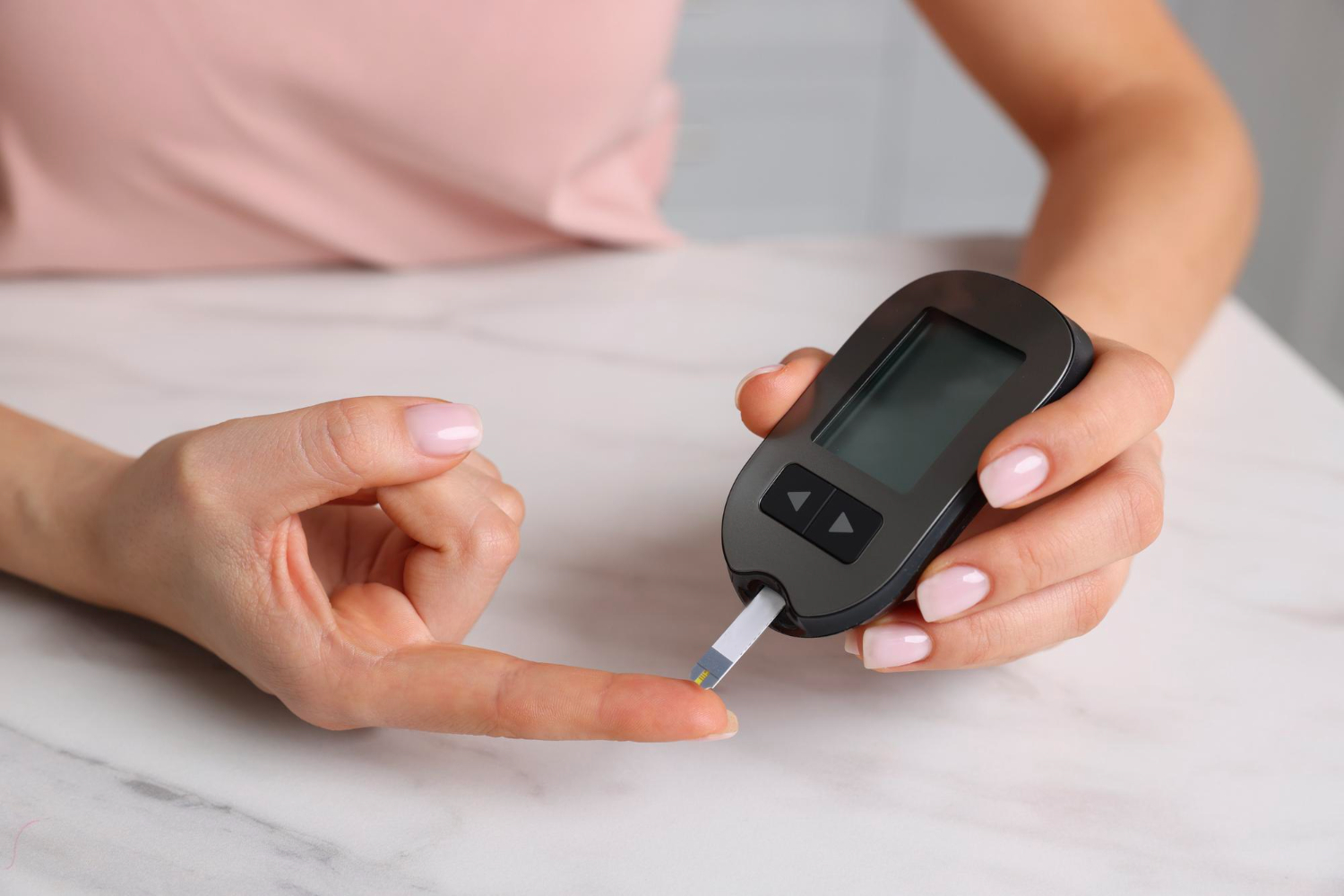
A home glucose meter can identify an unexpectedly high reading, but it cannot establish a diagnosis by itself. Testing technique, meter accuracy, food residue on the hands, meal timing, illness, stress, dehydration, and medications can all affect an individual result.
If readings are repeatedly high, record:
- The glucose values
- The date and time of each test
- Whether the reading was taken before or after eating
- Recent meals
- Current symptoms
- Relevant illness or medication changes
Share this information with a healthcare professional. Do not take someone else’s diabetes medication or change a prescription based only on a home reading.
The 2026 American Diabetes Association Standards of Care state that diabetes should be diagnosed using A1C or laboratory plasma glucose criteria. They also state that current evidence is insufficient to support using continuous glucose monitoring to screen for or diagnose prediabetes or diabetes.
A smartwatch app may display glucose information received from an authorized continuous glucose monitor. That is different from a watch or ring claiming to measure glucose independently without piercing the skin. The FDA has not authorized a smartwatch or smart ring that independently measures or estimates blood glucose in this way. Such products should not be used to make medication or emergency-care decisions.
When type 1 diabetes is suspected, clinicians may test blood or urine ketones to assess immediate DKA risk. Autoantibody or C-peptide testing may be used separately to help determine the type of diabetes.
Who Should Be Tested Even Without Symptoms?
U.S. screening recommendations differ slightly.
The American Diabetes Association recommends screening all adults beginning at age 35. Earlier testing is appropriate for adults who have overweight or obesity and additional risk factors.
The U.S. Preventive Services Task Force recommends screening asymptomatic adults ages 35–70 who have overweight or obesity. It also advises clinicians to consider earlier screening for some people at increased risk.
Factors that may support earlier or more frequent testing include:
- A parent, sibling, or child with diabetes
- Previous prediabetes
- Previous gestational diabetes
- Polycystic ovary syndrome
- High blood pressure
- Cardiovascular disease
- Abnormal cholesterol or triglyceride levels
- Physical inactivity
- Certain medications or health conditions that increase glucose
Guidelines differ among countries and organizations, so discuss your personal screening schedule with a healthcare professional.
Children and teenagers can also develop type 1 or type 2 diabetes. New bed-wetting, increased bathroom accidents, intense thirst, unexplained weight loss, vomiting, or sudden fatigue in a child should be discussed with a clinician promptly.
Pregnancy requires a separate screening approach. Do not assume that increased thirst or frequent urination is simply part of pregnancy. Attend recommended gestational diabetes screening even when no symptoms are present.
When Should You Contact a Healthcare Professional?
Arrange a medical appointment promptly if you develop:
- Persistent thirst
- Frequent urination
- Unexplained weight loss
- Unusual hunger
- Blurred vision
- Recurrent infections
- Slow-healing wounds
- Tingling or numbness
- Several possible diabetes symptoms at the same time
Testing is particularly important when you also have diabetes risk factors.
Contact a healthcare professional after an abnormal pharmacy, workplace, health-fair, or home screening result. These screenings can identify a possible problem, but an appropriate laboratory test is generally needed to confirm the result.
Before the appointment, note when the symptoms began, recent weight changes, current medications, relevant family history, pregnancy status, and any home glucose readings.
Do not deliberately eat excessive sugar before testing. Do not stop or change prescription medications unless a clinician instructs you to do so.
When Is High Blood Glucose an Emergency?
Seek emergency care immediately for:
- Fast, deep, or difficult breathing
- Fruity-smelling breath
- Repeated vomiting
- Severe abdominal pain
- Inability to keep fluids down
- Extreme dehydration
- Rapidly worsening weakness or sleepiness
- Confusion
- Seizures
- Fainting or reduced consciousness
These symptoms may indicate diabetic ketoacidosis, or DKA, or hyperosmolar hyperglycemic state, or HHS. Both are life-threatening emergencies.
DKA is most common in type 1 diabetes, although it can also occur in type 2 diabetes. It may be the first noticeable sign of previously undiagnosed diabetes.
HHS is more commonly associated with type 2 diabetes. It involves extremely high glucose and severe dehydration and may cause weakness, confusion, seizures, or reduced consciousness. Its symptoms can worsen over several days or weeks.
Do not wait for a routine appointment when a child, teenager, or adult has intense thirst and urination together with vomiting, abnormal breathing, unusual sleepiness, severe weakness, or confusion. Call your local emergency number or go to an emergency department.
What Happens If a Diabetes Test Is Abnormal?
Unless symptoms and glucose levels make the diagnosis clear, an abnormal result is generally repeated or confirmed with another approved test.
A clinician may consider whether recent illness, pregnancy, medication, anemia, a hemoglobin variant, or another condition affected the result. When A1C and plasma glucose results differ significantly, further testing may be needed.
Prediabetes means glucose is higher than normal but below the diabetes range. Progression to type 2 diabetes is not inevitable. Discuss follow-up testing and an individualized prevention plan with a healthcare professional.
If diabetes is confirmed, further testing may be required to determine the type. This may include autoantibody or C-peptide testing, depending on the person’s symptoms, age, medical history, and initial results.
Determining the type matters because type 1 diabetes requires insulin, while treatment for type 2, gestational, and other forms of diabetes depends on the person’s individual health and circumstances.
Frequently Asked Questions
Do You Need to Fast for an A1C Test?
No. An A1C test does not require fasting. A fasting plasma glucose test and oral glucose tolerance test require specific preparation, so follow the instructions given by the laboratory or healthcare professional.
Which Diabetes Test Is Best?
There is no single best test for everyone. A1C is convenient because it does not require fasting. An oral glucose tolerance test is more time-consuming but can identify some glucose problems that other tests may miss. A clinician will choose the most suitable test based on your circumstances.
What Happens If A1C and Fasting Glucose Results Disagree?
A clinician will usually repeat the result that is above the diagnostic threshold and consider whether either test was affected by illness, medication, anemia, pregnancy, a hemoglobin variant, or another factor.
Can Illness, Stress, or Medication Raise Glucose Temporarily?
Yes. Acute illness, physical stress, and certain medications—particularly corticosteroids—can increase blood glucose. An abnormal result still requires follow-up, but these factors may affect how the clinician interprets or confirms it.
How Often Should You Be Retested If Your Result Is Normal?
For many adults, testing about every three years is reasonable when results are normal. Earlier testing may be appropriate if symptoms develop, risk factors increase, pregnancy occurs, or a clinician recommends closer monitoring.
What Should You Do Before a Fasting Glucose Test?
Follow the laboratory’s instructions. Fasting generally means consuming no calories for at least eight hours. Plain water is usually allowed. Do not stop prescription medications unless the ordering clinician tells you to do so.